

.png)
15+
Years in the Business
IICRC, NADCA and NORMI
Certified
30 Minutes
Callback Response
Service Snapshot
Raleigh Mold Remediation
Business Details
- Company: Summit Mold Remediation
- Phone: +1 (919) 637-7839
- Address: 4008 Barrett Drive, Suite 106, Raleigh NC, 27609
- Working Hours: Weekdays: 7AM - 7:30PM, Saturday: 9AM - 5PM, Sunday: 7AM - 7:30PM
- Mold Remediation Services: Crawl space mold removal, indoor air quality testing, black mold remediation, attic mold removal, basement mold removal
Raleigh Service Area
- City Served: Raleigh, NC
- Also Serving:
Cary, Apex, Durham, Chapel Hill, Wake Forest, Garner, Morrisville, Knightdale, Holly Springs, Fuquay-Varina - Zip Codes Covered: 27601, 27603, 27604, 27605, 27606, 27607, 27608, 27609, 27610, 27612, 27613, 27614, 27615, 27616, 27617
Signs You May Have a Mold Problem
Mold isn't always visible right away. These are the most common warning signs our inspectors run into across homes and businesses in Raleigh and the surrounding Triangle.
A Persistent Musty Smell: A damp, earthy odor that lingers near vents, closets, or a crawl space entrance is often the very first sign of mold, even before anything is visible.
Unexplained Allergy or Respiratory Symptoms: Sneezing, coughing, headaches, or irritated eyes that ease up when you leave the house can point to mold spores circulating in your indoor air.
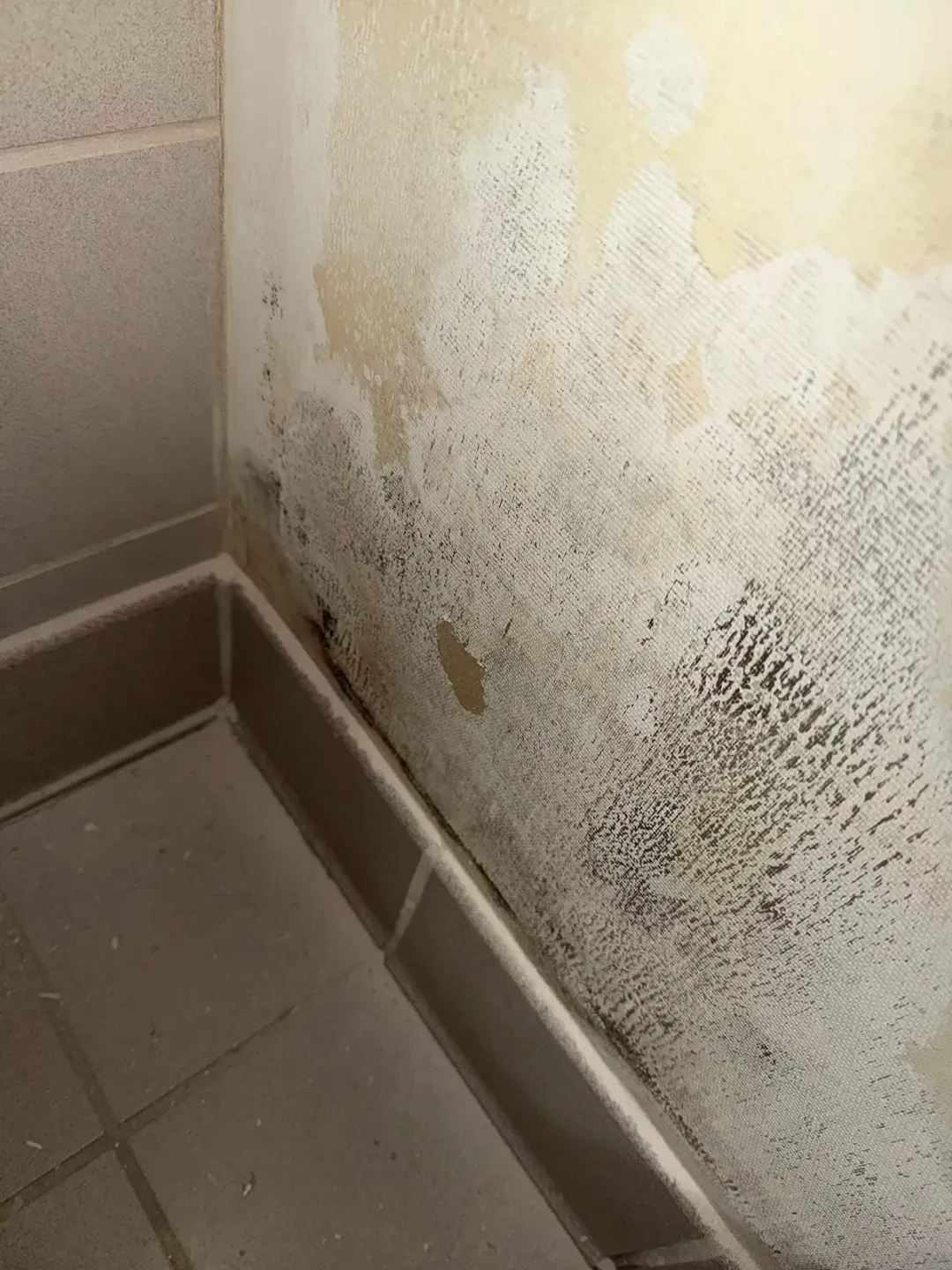
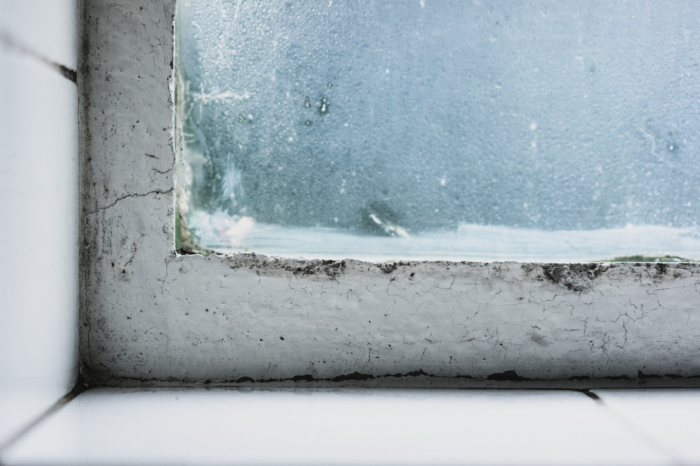
Visible Spotting on Walls or Ceilings: Dark, green, or black spotting, especially
near corners, windows, or bathroom ceilings, is a clear sign contamination has already started.
Past Water Damage or Leaks: Any history of a roof leak, plumbing issue, or flooding creates the exact moisture conditions mold needs, even if the area looks dry now.
Condensation on Windows or Ductwork: Excess condensation signals high indoor humidity, which is one of the biggest drivers of mold growth in Raleigh's climate.
Peeling Paint or Warped Drywall: Bubbling paint, soft drywall, or warped baseboards usually mean moisture has been sitting behind the surface long enough for mold to take hold.
What People Say
Mold Remediation Services
We offer a full range of professional mold remediation services designed to protect your health, your property, and your indoor air quality. Our certified team uses advanced detection tools and proven remediation methods to deliver lasting results across residential and commercial properties.

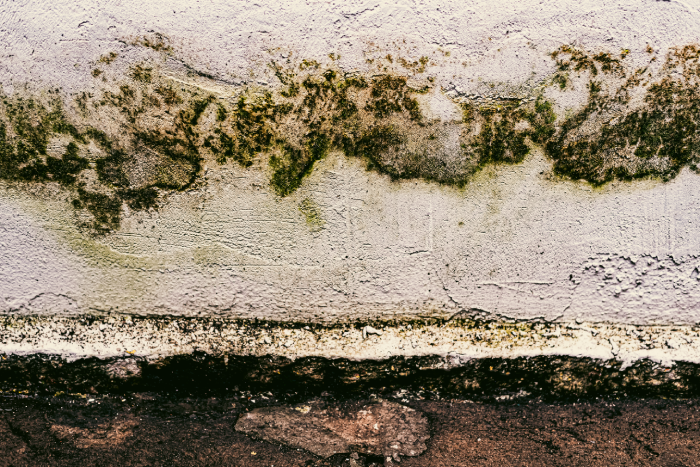
Mold Remediation & Removal
We remove mold at the source, not just off the surface. Using safe containment and HEPA filtration, we treat walls, floors, and structural areas directly, leaving your home or business clean and safe with as few disruptions as possible.
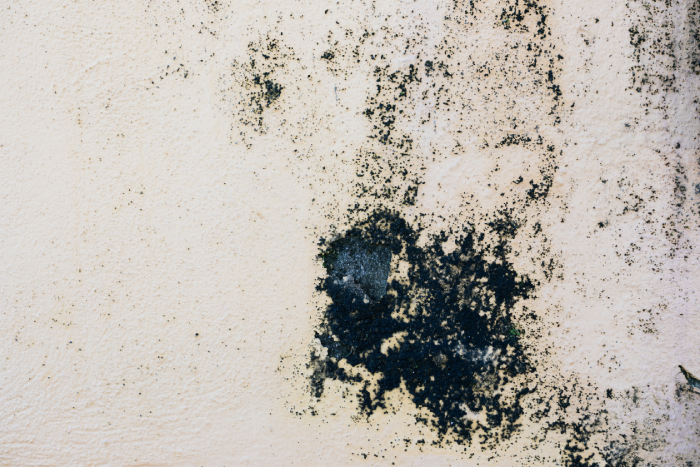
Black Mold Remediation
Black mold needs to be handled differently than common household mold. We test for toxic strains, contain the area properly, and remove contaminated material safely so nobody in your home or business is exposed during the process.
.png)
Attic Mold Removal
Poor ventilation and roof leaks let mold spread fast across insulation and rafters. We clear out contaminated material, treat the space thoroughly, and help fix airflow issues so mold does not come right back.
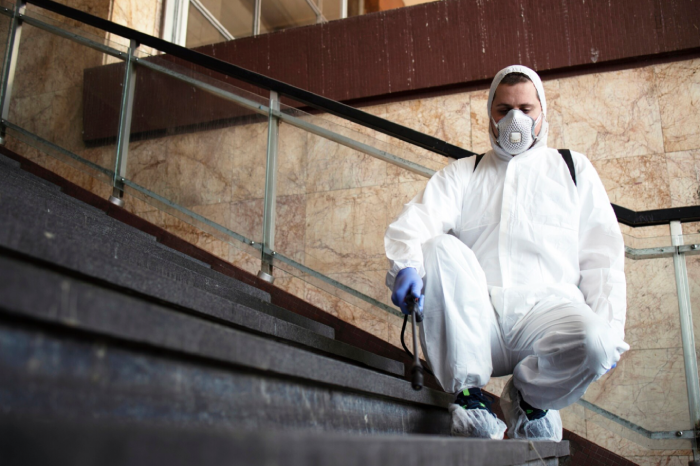
Crawl Space Mold Removal
Raleigh's humidity turns crawl spaces into one of the most common mold spots in a home. We inspect the space, remove mold from joists and insulation, and install moisture barriers to keep it from coming back.
Preventing Mold From Returning
Along with removing mold, we address the moisture problem behind it and improve ventilation to reduce the risk of it returning. Our approach helps keep your indoor air quality stable and protects your property from future mold growth.
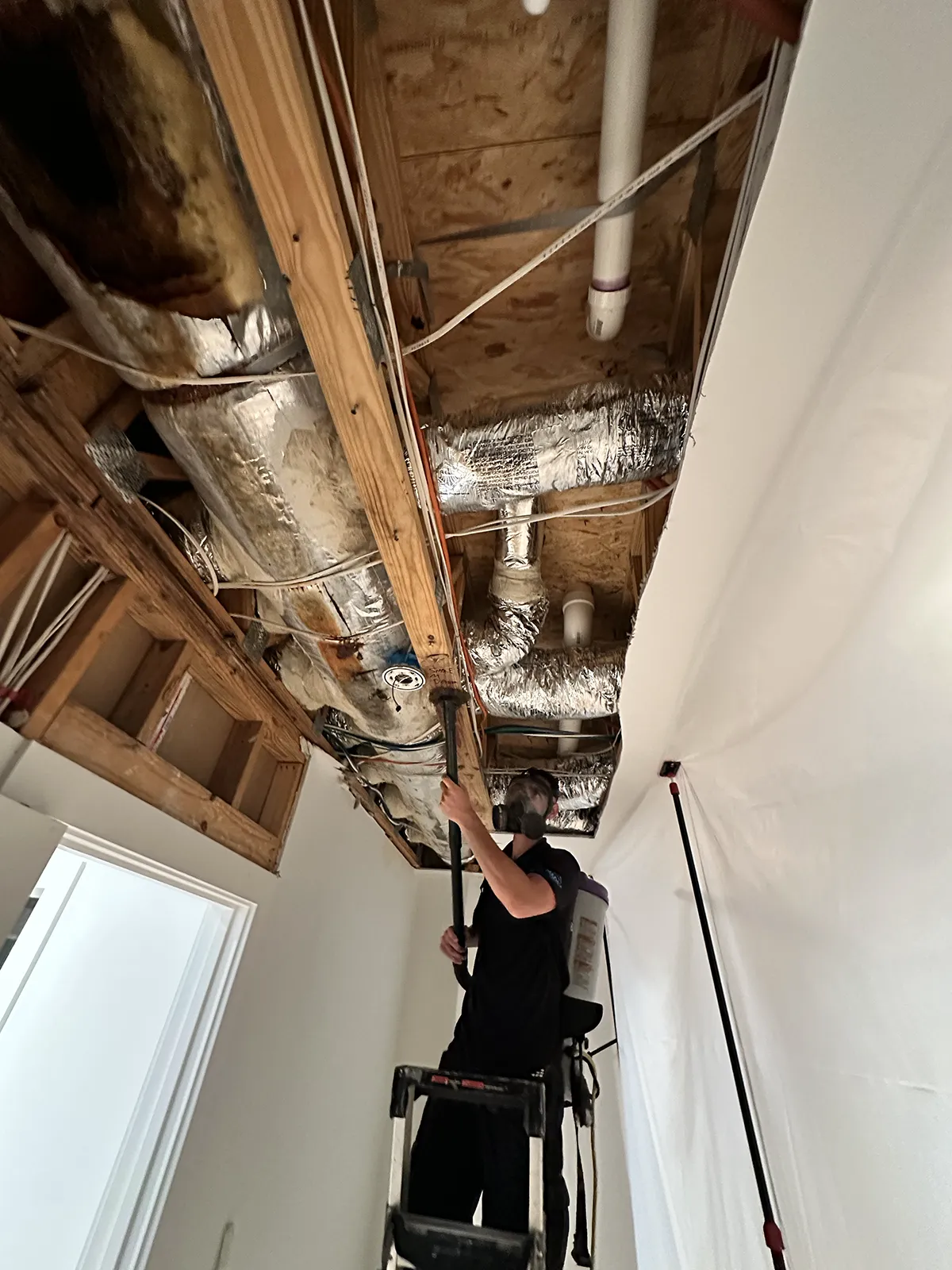
Basement Mold Removal
Basements trap moisture more than almost any other part of your home. We
find where the water is coming from, remove mold from walls and flooring,
and treat the space so it stays dry long after we leave.
Our Mold Remediation Process in Raleigh, NC
01
Inspection & Assessment
We start with a full visual inspection of the affected area, using moisture meters and infrared cameras to trace hidden dampness behind walls, under flooring, or in crawl spaces. We identify the mold type, locate the moisture source causing it, and measure the extent of contamination, including areas that aren't visible yet. You'll get a clear explanation of what we found and a written scope of work before any remediation begins.
02
Containment & Protection
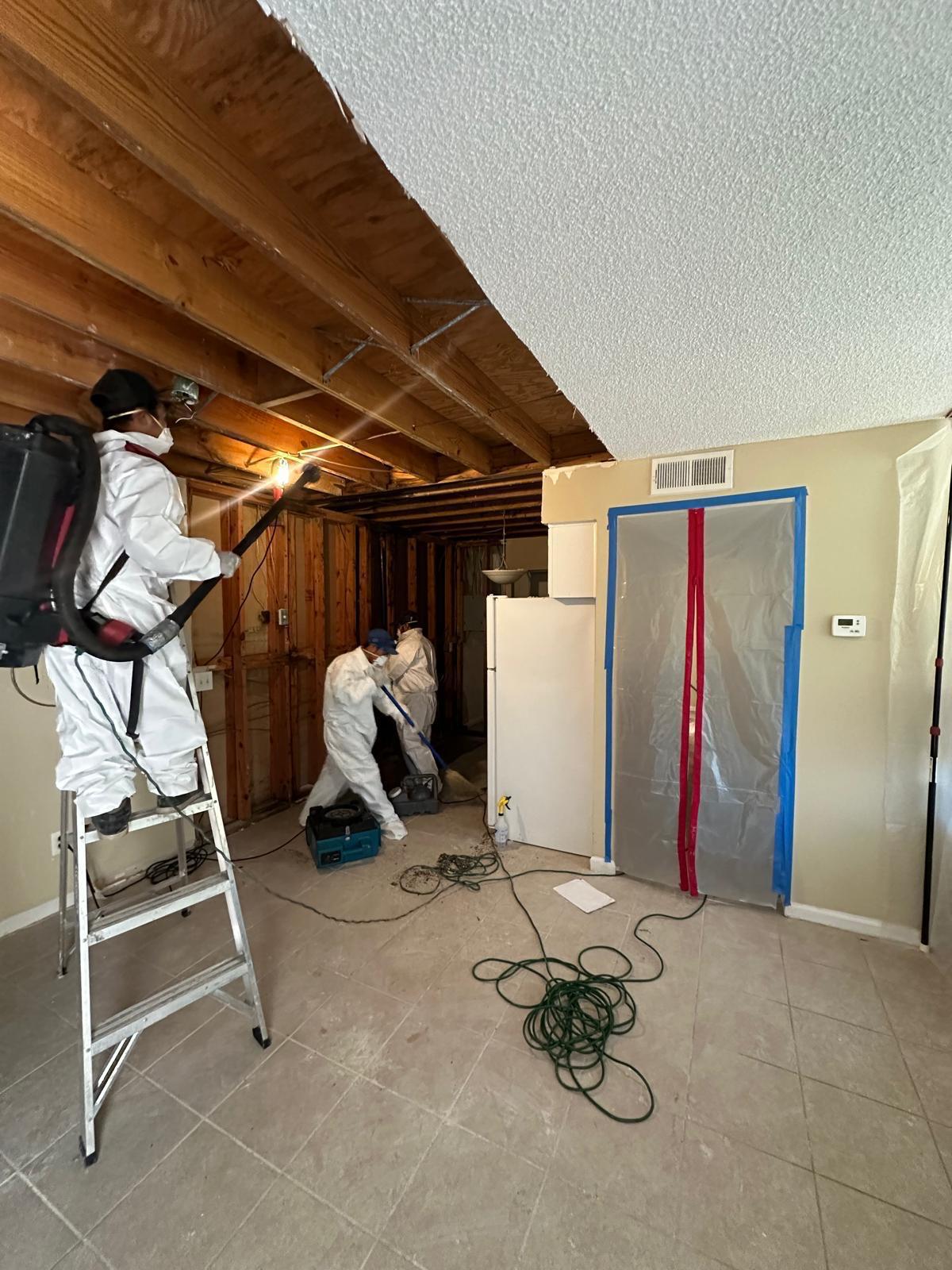
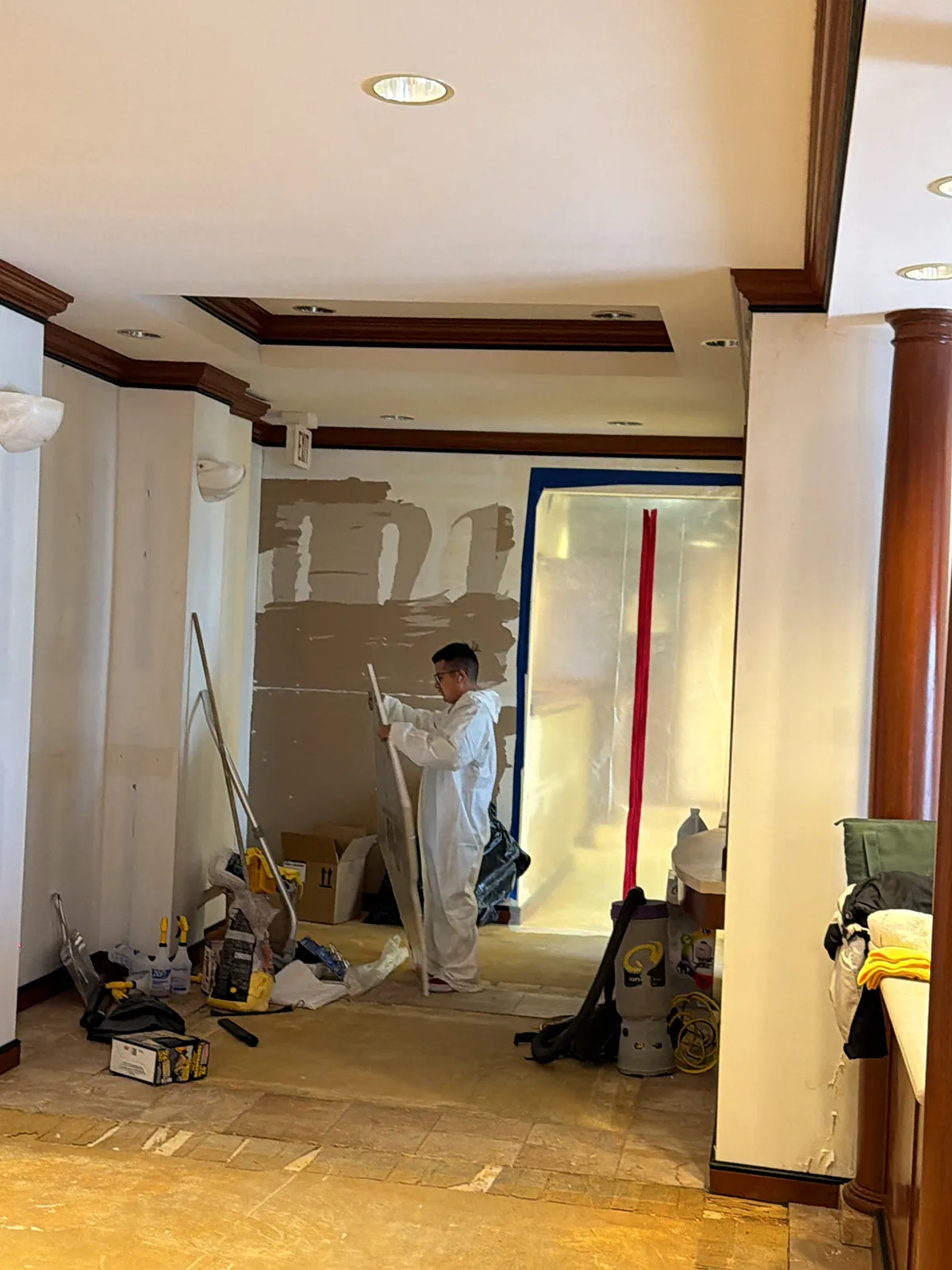
Before any removal starts, we seal off the work area with plastic sheeting and negative-air containment barriers to stop spores from spreading to unaffected rooms. HEPA-filtered air scrubbers run throughout the job to capture airborne particles, and we protect flooring, furniture, and HVAC vents so the rest of your home or business stays clean and undisturbed.
03
Removal & Treatment
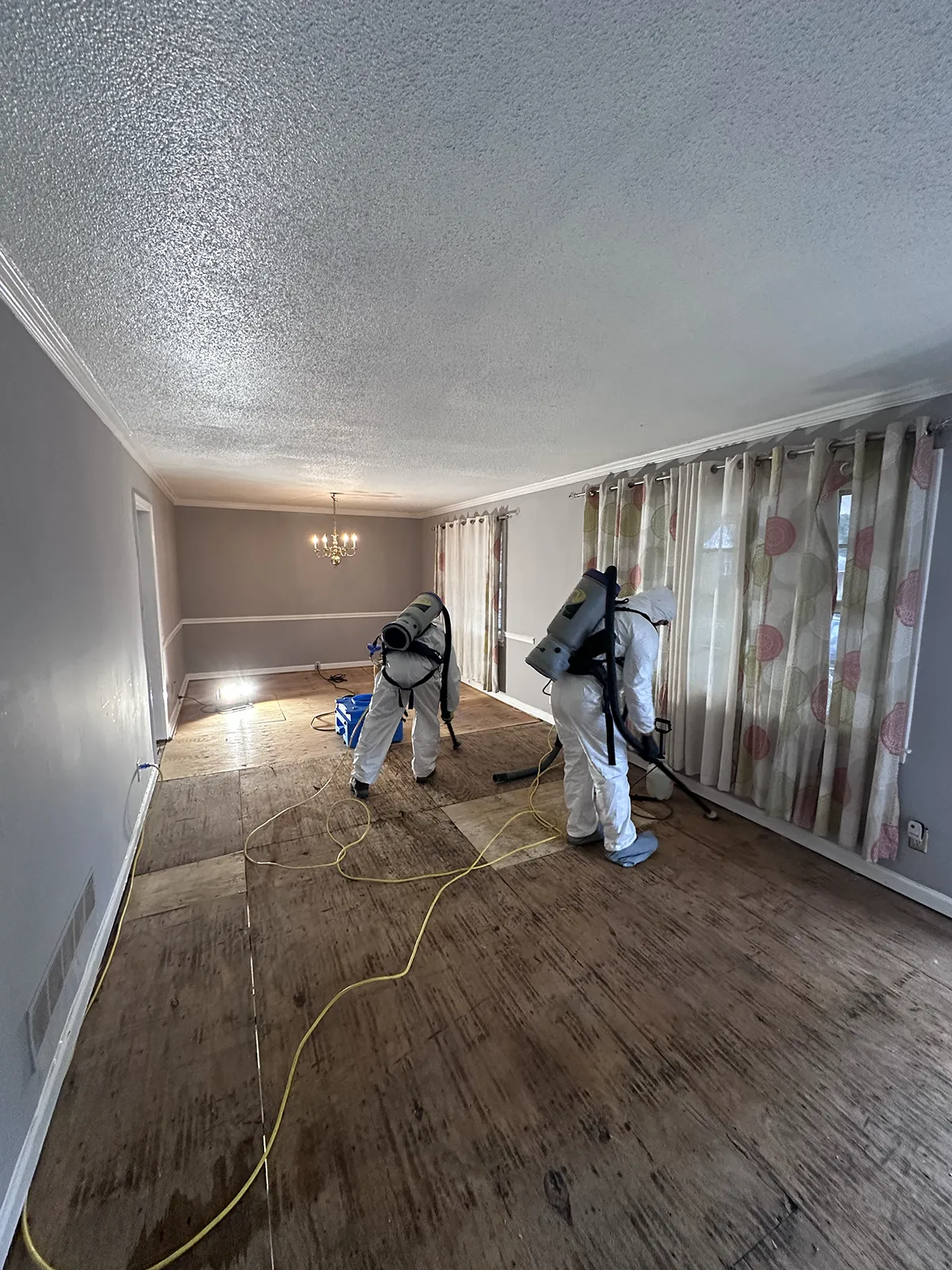
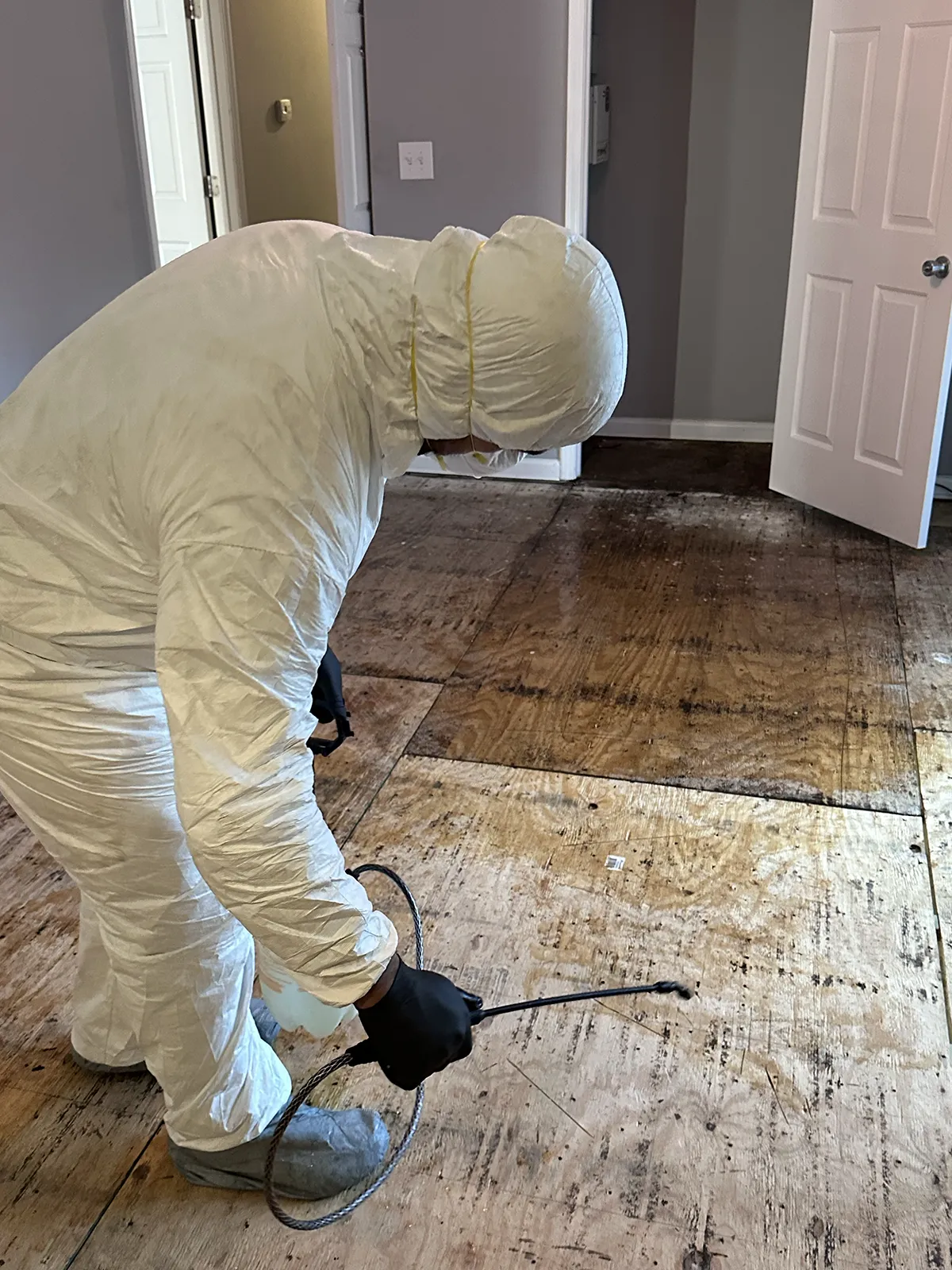
Our technicians physically remove mold-affected materials, drywall, insulation, or wood that can't be salvaged, and treat remaining surfaces with EPA-registered antimicrobial and antifungal solutions. Non-porous surfaces are scrubbed and HEPA-vacuumed, while structural areas like joists and subfloor are treated to prevent regrowth. We also address the moisture source directly, whether that means sealing a leak, adding a vapor barrier, or improving ventilation.
04
Final Inspection & Cleanup
Once treatment is complete, we run a final visual inspection and, where applicable, post-remediation clearance testing to confirm the space meets safe air quality standards. All containment barriers and equipment are removed, the area is cleaned and de-cluttered, and we walk you through before-and-after documentation so you have proof the job was done right.
Real Results Shared by Our Customers
Real Estate Mold Remediation Raleigh, NC
Mold can delay a property sale, affect an inspection report, and create concerns for buyers and sellers. Summit provides fast and professional real estate mold remediation in Raleigh, helping resolve mold problems before closing and keeping transactions moving forward.
We safely contain and remove mold from affected areas, including attics, crawl spaces, basements, walls, and flooring. Sellers can address mold concerns before listing, while buyers can have known issues professionally remediated before moving in.
Real estate timelines can be tight. Our team responds quickly, provides a clear scope of work, and completes the remediation process efficiently to help reduce delays during inspections, negotiations, and closing.
Book Your Consultation Now!
Maintenance Plan and Mold-Recurrence Warranty
Remediation resolves the conditions found at the time of service, but long-term protection also depends on controlling moisture and maintaining the property or HVAC system. Every project includes guaranteed remediation at the time of service. Customers enrolled in Summit's annual maintenance plan also receive a 3-year mold-recurrence warranty. If mold returns to a properly maintained system during the warranty period, Summit will re-clean the covered area at no additional charge, subject to the plan terms and the correction of new leaks or moisture problems.
Annual maintenance can help identify developing moisture, drainage, ventilation or HVAC concerns before they become larger mold problems. Ask our team what is included and whether the plan is appropriate for your property.
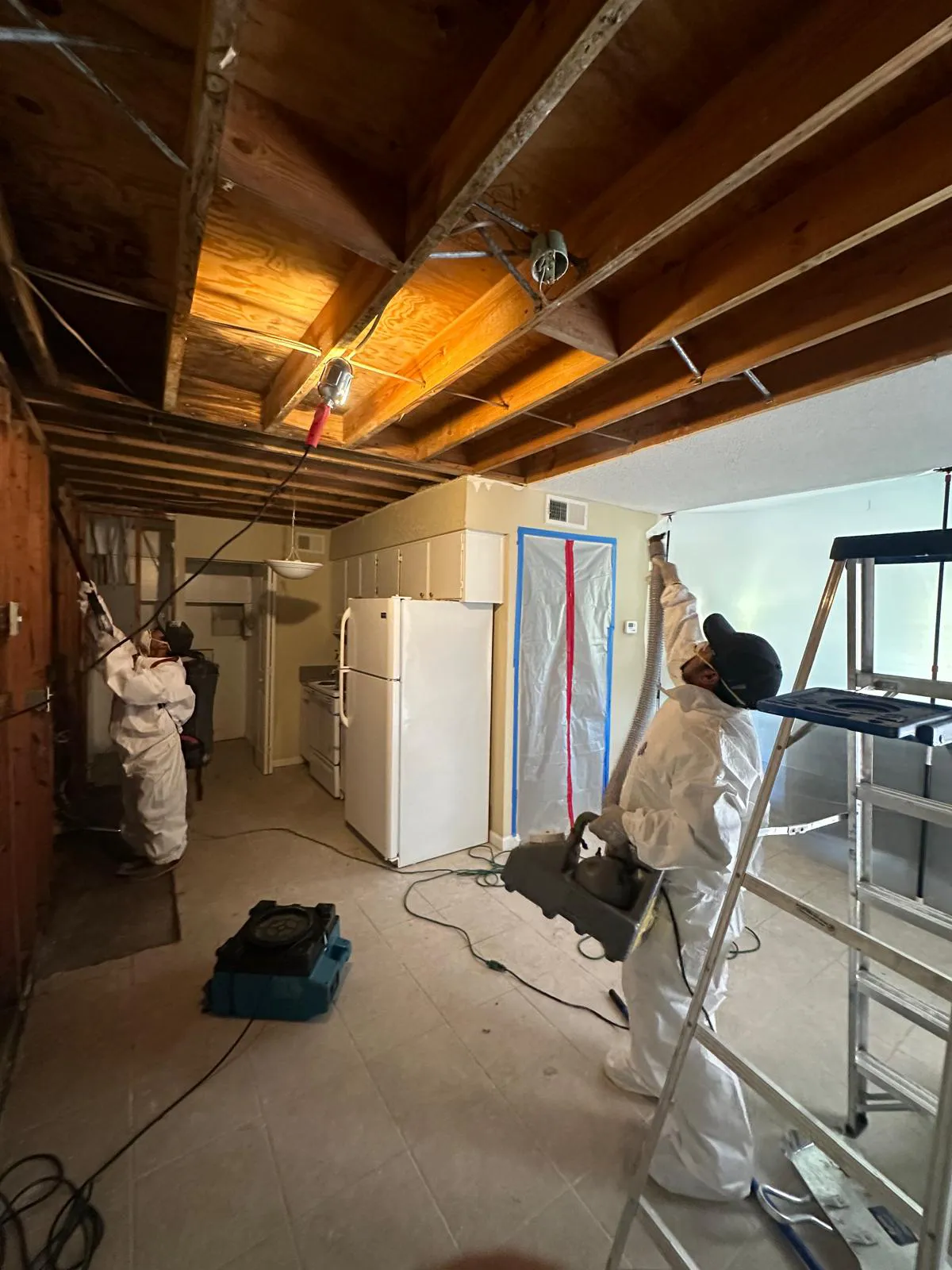
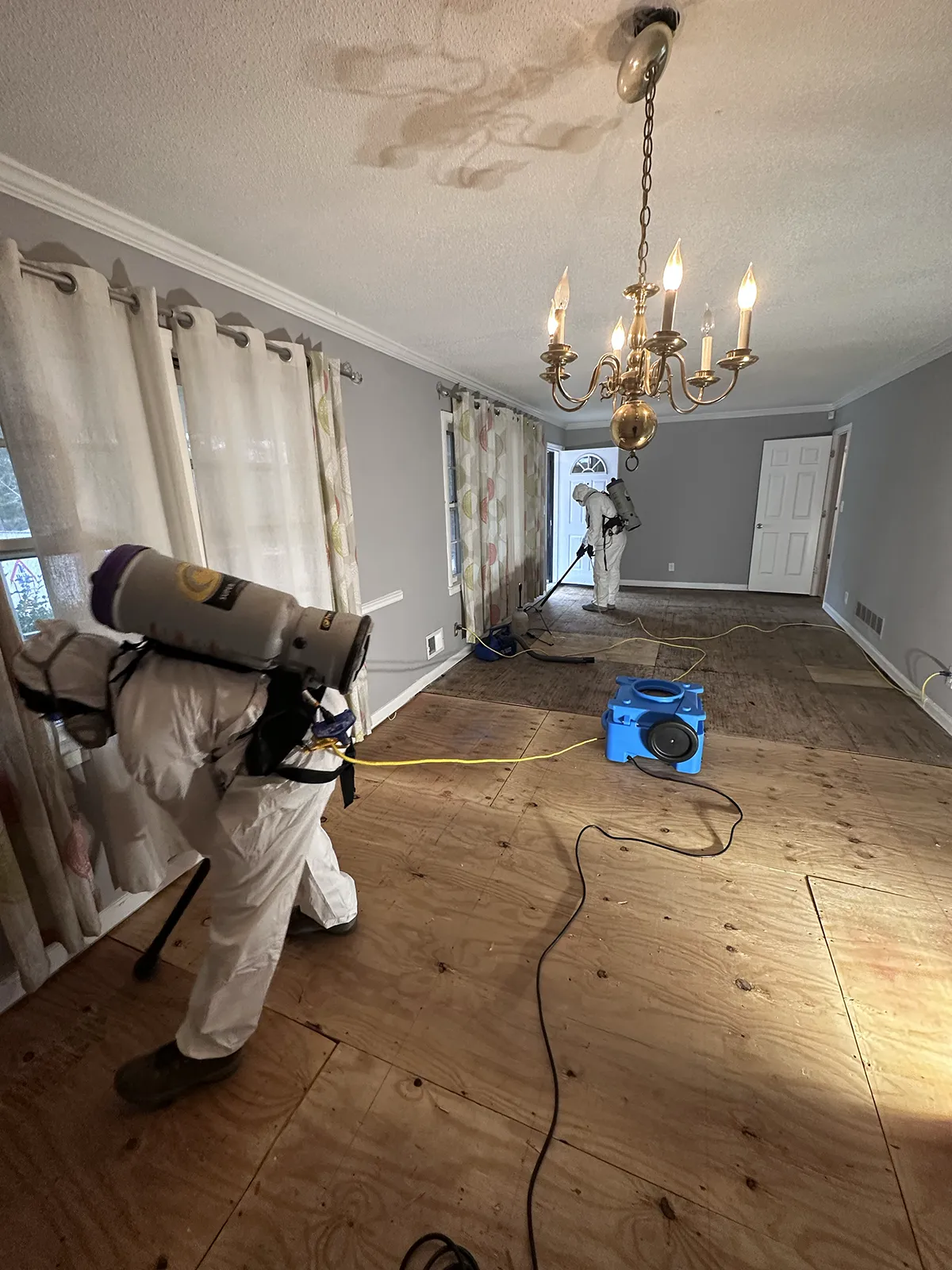
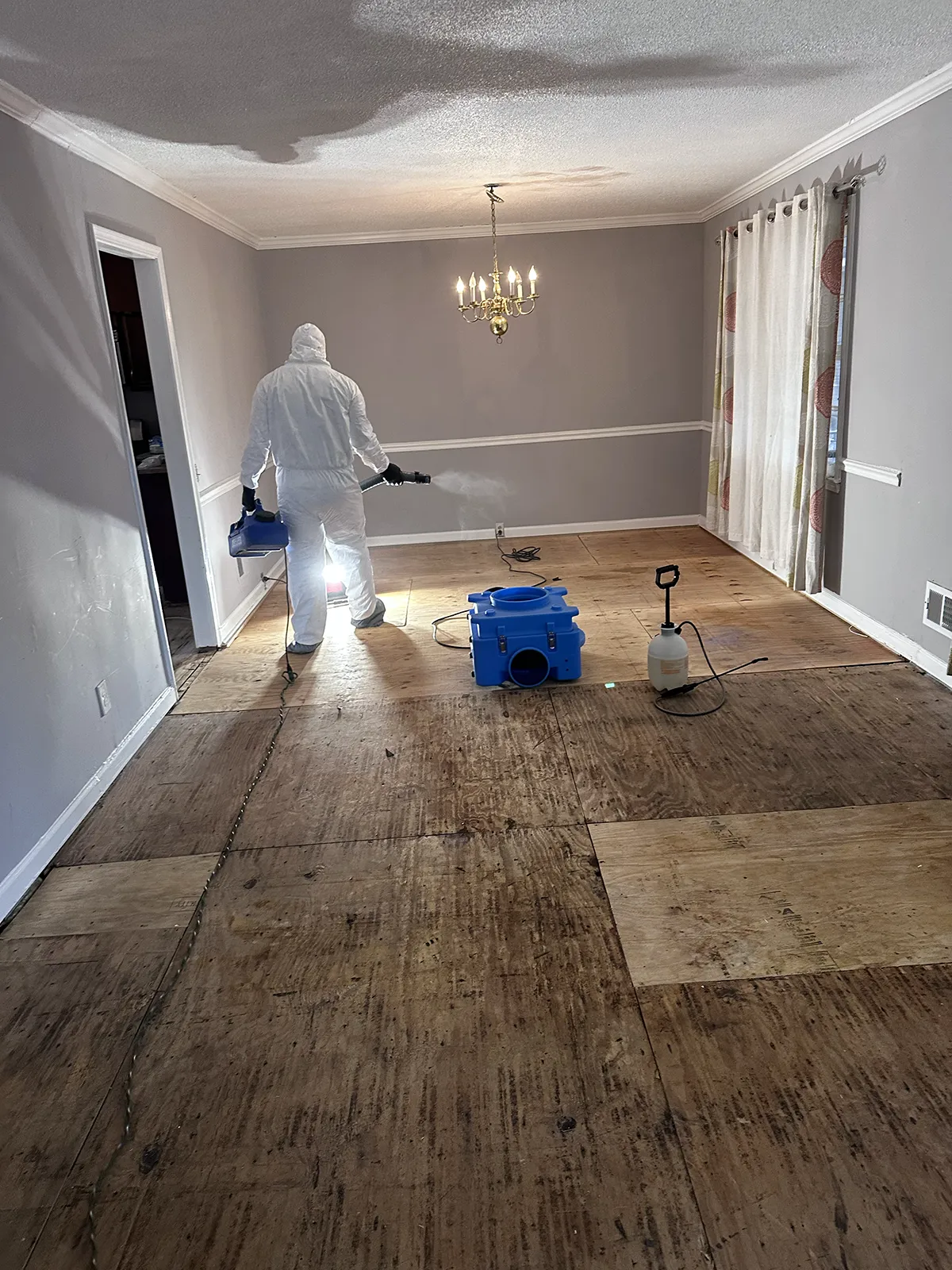
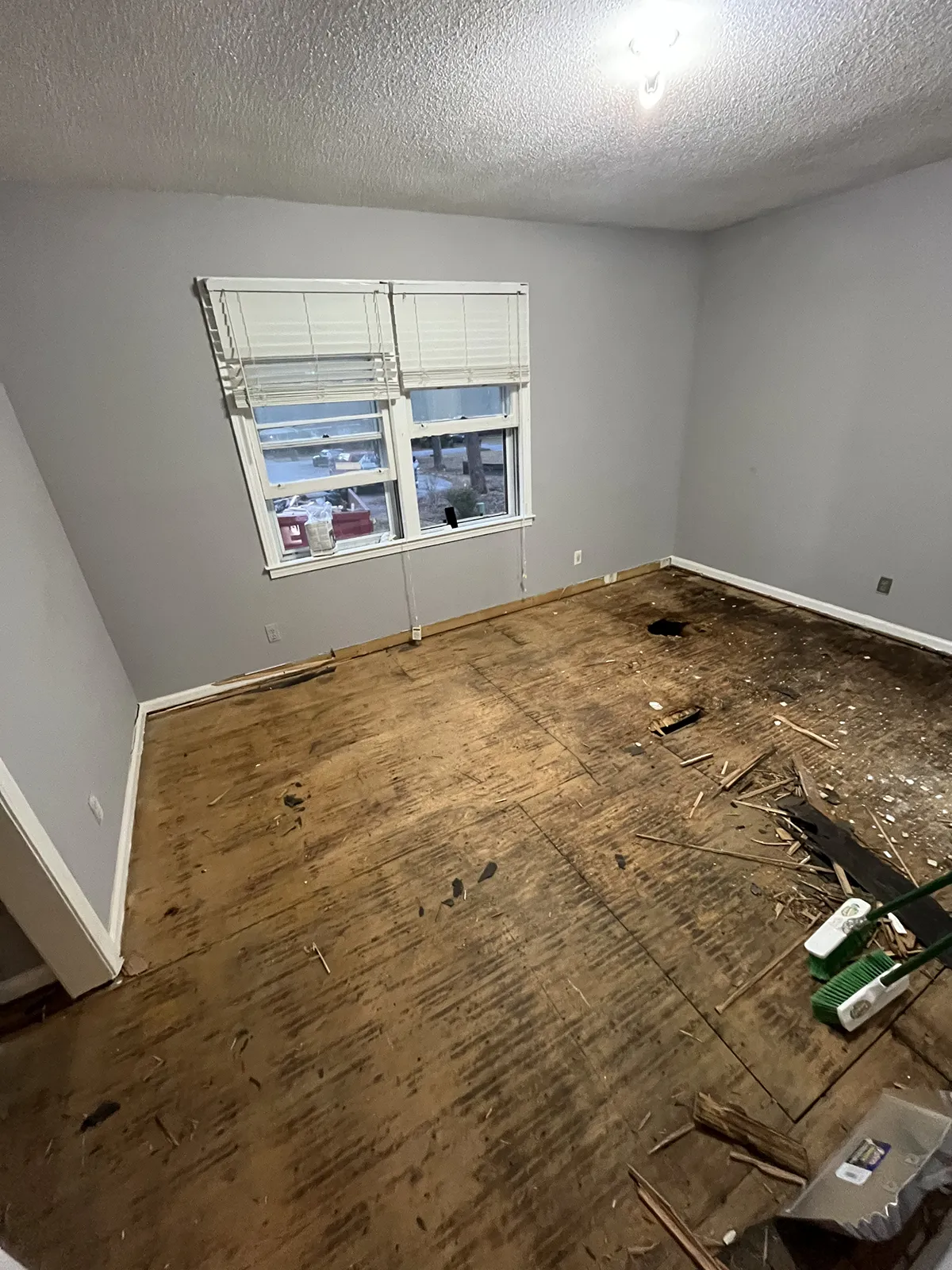
Mold Remediation in Action
See how our team carefully treats, and removes mold using professional equipment and proven remediation methods.
See Other Services
Professional cleaning services designed to improve indoor air quality, safety, and comfort.

Indoor Air Quality Testing
Find out what is affecting the air inside your home. Our indoor air quality testing helps detect mold, allergens, moisture issues, and other hidden contaminants.

Mold Inspection
Not sure if you have mold? Our mold inspection service checks your property for visible and hidden mold, moisture sources, and areas at risk for future growth.

Leak Detection
Small leaks can cause major damage over time. Our leak detection service helps locate hidden water issues before they lead to mold, stains, or structural problems.

Asbestos Testing
Older homes may contain asbestos in insulation, flooring, ceilings, or other materials. Our asbestos testing helps identify risks before renovation or removal work begins.

Water Damage Restoration
Water damage needs fast action. Our team removes water, dries affected areas, and helps restore your property after leaks, floods, or moisture problems.
Frequently Asked Questions
What actually causes mold to grow in a home?
Mold needs three things to take hold: moisture, an organic food source (wood, drywall, insulation), and stagnant air. In Raleigh's humid climate, a roof leak, a slow plumbing drip, or a crawl space with poor ventilation is often all it takes for spores to start colonizing within a couple of days.
Can I just clean the mold myself with bleach?
For a small patch on a non-porous surface, sure, a light cleaning might handle it. But bleach doesn't reach mold roots growing inside drywall, wood, or insulation, and scrubbing it can actually release more spores into the air. Any area larger than about 10 square feet, or mold you can smell but not see, calls for a certified remediation team.
How quickly will someone get back to me?
Usually within about 30 minutes, whether you call or send the form. Same-day appointments are often available across Raleigh and the surrounding area.
Do you guarantee your work?
We guarantee the remediation at the time of service. Customers on our annual maintenance plan also get a 3-year mold-recurrence warranty, if mold returns to a properly maintained system, we re-clean it at no charge.
Who actually comes to my house?
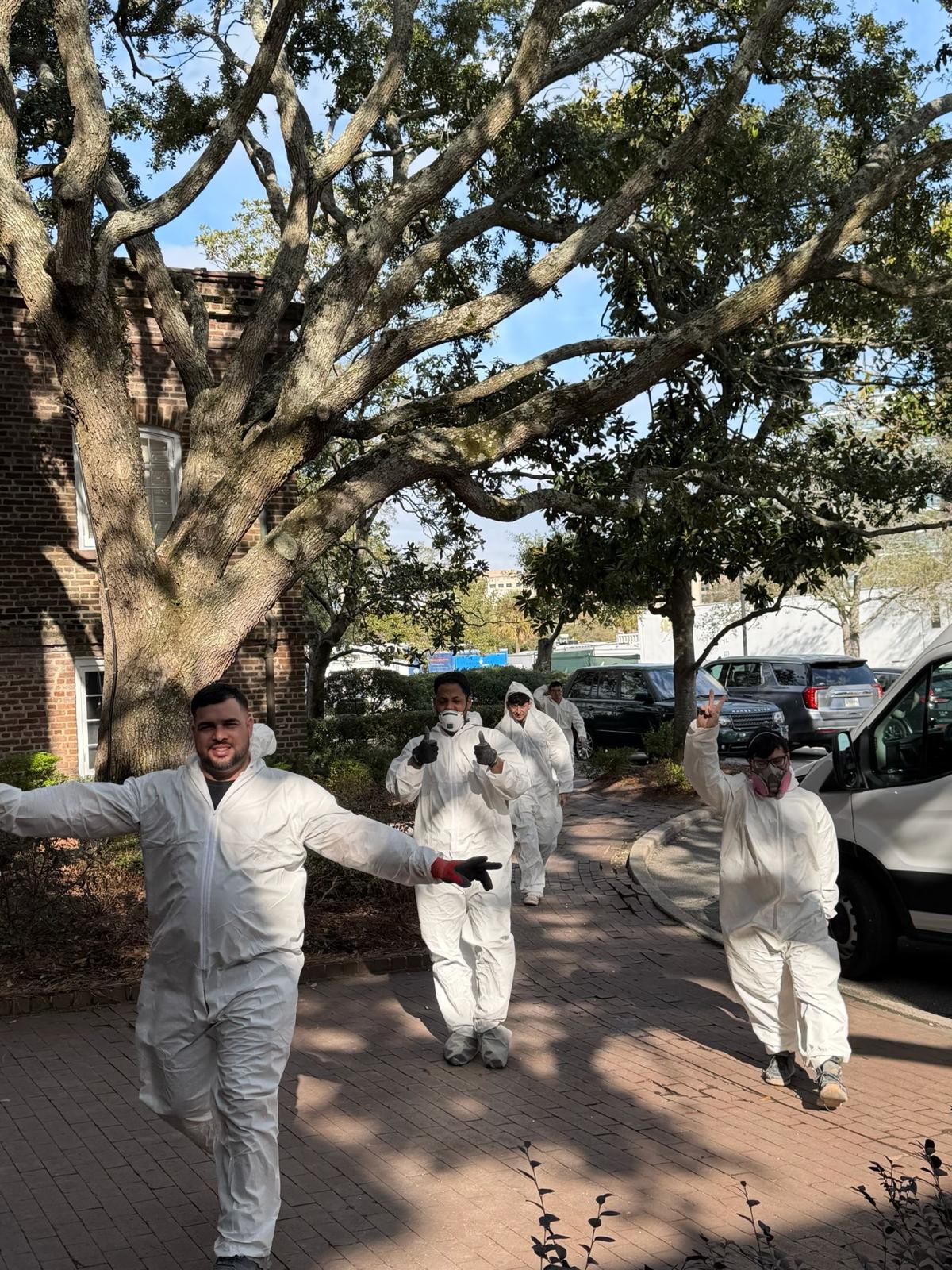
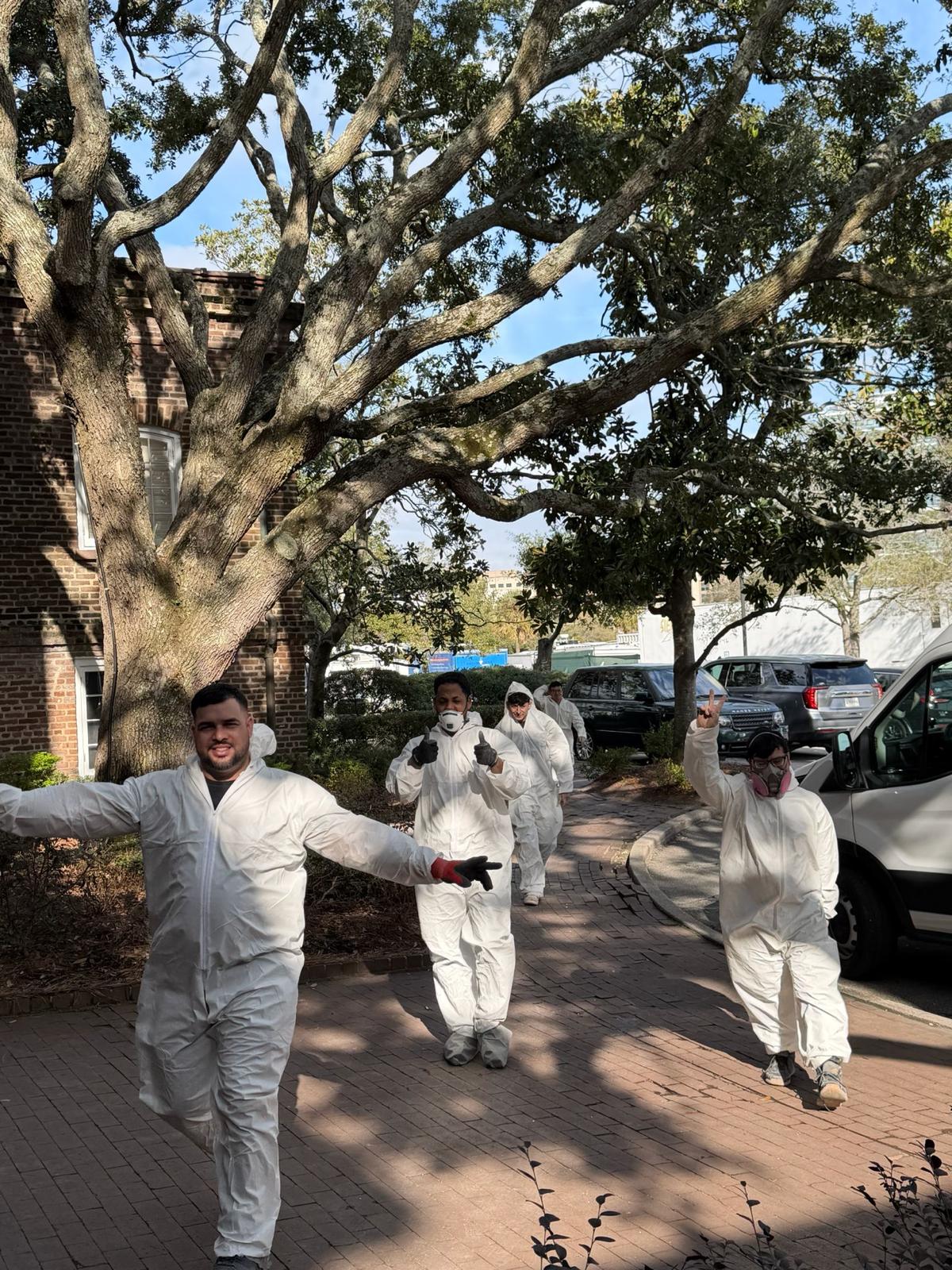
A crew of two to three trained technicians. We don't send trainees to learn on your property — everyone on the job has done this work before.
Will I get proof the work was done?
Yes. Every customer gets before-and-after photos of the affected areas, and we walk you through what we're doing while we're doing it. Nothing happens behind a closed door.
What happens to the rest of my house while you work?
We seal off the work area with plastic sheeting before anything starts, so spores don't travel into rooms we're not treating. When the job's done, we clean up properly and leave the space tidy.
Can you get rid of mold completely?
No one can, and be careful with any company that says otherwise. Mold spores are present in normal indoor air everywhere. What we do is bring your levels back down to normal and deal with the moisture that let the mold grow, so it doesn't return. Where it's needed, post-remediation testing confirms you're back in the normal range.
How much does mold remediation cost in Raleigh, NC?
Mold remediation cost varies widely because every job is different. A small, contained problem in one room is very different from a project that involves demolition, HEPA vacuuming, insulation replacement, or hidden damage behind walls. Once we start on-site, we sometimes find more contamination than was visible from the outset, which also affects scope. That's why we start every job with a full inspection, then give you a clear, itemized quote before any work begins, no guesses, no generic ranges that won't fit your situation.
How long does a mold remediation project usually take?
Most residential jobs, inspection, containment, removal, and final clearance testing, wrap up in 2 to 5 days. Larger commercial spaces or extensive crawl space contamination can take longer. We'll give you a realistic timeline after your inspection, not a generic estimate.
What are the warning signs I might have a mold problem?
A persistent musty smell, visible spotting on walls or ceilings, unexplained allergy or respiratory symptoms indoors, condensation on windows, or a history of past water damage are all common red flags, even when you can't see mold directly.
Will my homeowners insurance cover mold remediation in North Carolina?
It depends on your policy and the cause of the moisture. North Carolina insurers typically cover mold tied to a sudden covered event (like a burst pipe), but not mold from long-term humidity or a maintenance issue. We provide a documented inspection report you can submit with your claim regardless of the cause.
If you remove the mold, will it come back in our climate?
Not if the moisture source is addressed at the same time. Because Raleigh's humidity makes regrowth a real risk, we always pair remediation with a moisture-control fix, sealing crawl space vents, correcting drainage, or adding a dehumidifier, so you're not dealing with the same issue again next summer.
Mold Removal vs. Mold Remediation: What's the Difference?
Mold removal refers to the physical removal of visible mold from surfaces. It addresses what you can see. Mold remediation is the full process: containment, removal, cleaning, drying, and addressing the moisture source that allowed mold to grow in the first place.
Why Mold Growth Is So Common in Raleigh and North Carolina?
North Carolina’s humidity, heavy rainfall, crawlspaces, basements, and poor ventilation create ideal conditions for mold. Moisture can collect in walls, attics, floors, bathrooms, and HVAC systems, while seasonal temperature changes add condensation. Mold may be common in this climate, but it is not something homeowners should ignore.