


.png)
Signs You May Have a Mold Problem
Most mold we find in Chapel Hill was not visible when the homeowner called. These are the signals that usually come first.
A musty smell near the crawl space door or floor vents.
Odor travels before growth does. If the smell is strongest on the first floor of a house on a crawl space, the source is almost always underneath.
Cupped or springy hardwood floors.
Wood floors over a damp crawl space absorb moisture from below and lift at the edges. It is one of the clearest signs of a crawl space problem in an older Chapel Hill home.
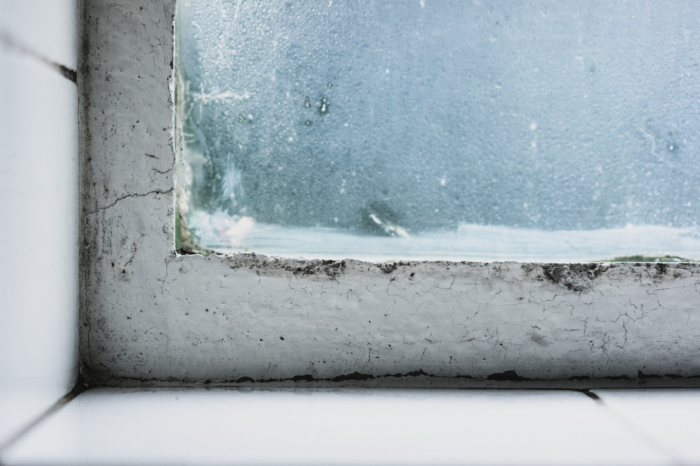
Condensation on windows or on ductwork.
Water forming on a surface means the surface is colder than the dew point of the air around it. High indoor humidity is the usual cause.
Symptoms that ease when you leave the house.
Coughing, sinus pressure, or itchy eyes that clear up at work or on a trip point toward something circulating indoors.
Dark spotting on bathroom ceilings or closet walls.
Closets on exterior walls and bathrooms with weak exhaust are two of the most common spots we find growth.
Any past leak, even a small one.
A roof drip, a supply line, an overflowed washing machine. Material can stay wet behind a wall long after the surface looks dry.
What Happens After You Call
1. We call back within about 30 minutes during operating hours.
2. We come out and assess the property, same-day when the calendar allows. A formal mold inspection with testing is a paid service and is quoted separately.
3. You get a written scope of work with what we found, what we recommend, and the price.
4. You decide. No obligation, no pressure to book on the spot.
Our Mold Remediation Process in Chapel Hill, NC
Four stages on every job, whether it is one bathroom ceiling or a whole crawl space.
Inspection & Assessment
We walk the property with a moisture meter and an infrared camera to find damp material behind surfaces that look fine. In Chapel Hill that usually means opening the crawl space first, since that is where most of what we find starts. You get a plain explanation of the mold type, the water source, and how far it has spread, plus a written scope of work before anything is touched.
Containment & Protection
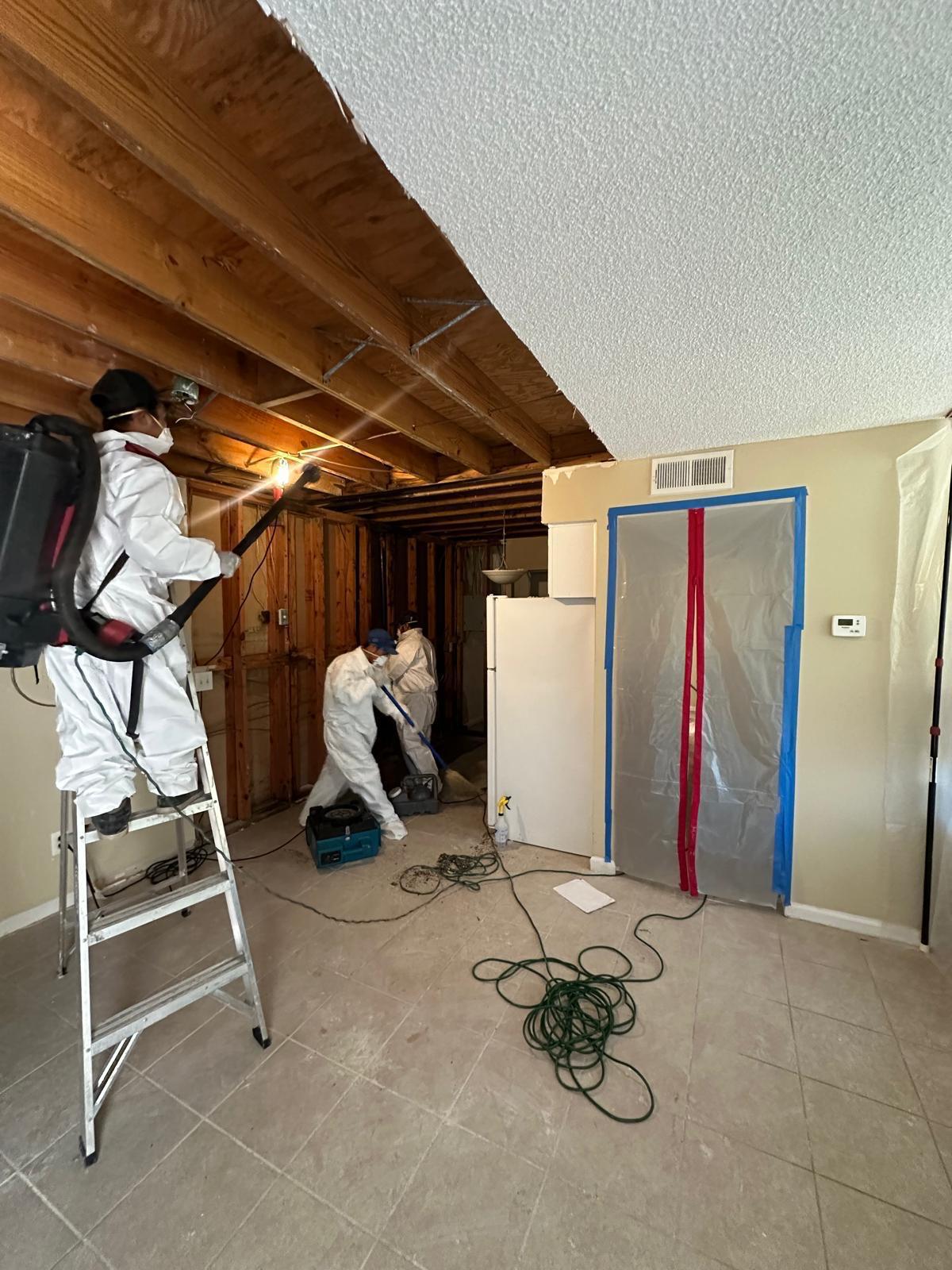
We seal the work zone with plastic sheeting and set up negative air pressure so spores cannot drift into the rest of the building. HEPA air scrubbers run for the length of the job. Floors, furniture, and HVAC returns get covered. In an occupied rental or a house with kids at home, this stage is what keeps the rest of the property usable while we work.
Removal & Treatment
Drywall, insulation, and wood that cannot be saved come out and get bagged for disposal. Everything that stays gets treated with EPA-registered antimicrobial and antifungal product, including joists and subfloor, since untreated framing is where regrowth starts. Then we deal with the water. That might be a vapor barrier over exposed dirt, a downspout extension, a repaired gutter line, corrected grading, or a plumbing fix.
Final Inspection & Cleanup
We do a final walkthrough and, when the job calls for it, post-remediation clearance testing through a lab to confirm the air is back in range. Containment and equipment come out, the area gets cleaned, and you get before-and-after photos and documentation. Sellers, buyers, and landlords all need that paperwork, so it is standard on every job.
Mold Remediation Services in Chapel Hill, NC

Mold Remediation & Removal
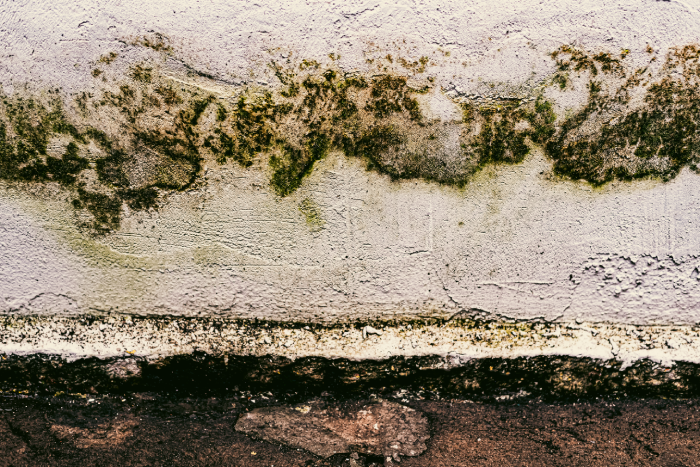
Surface cleaning doesn't fix anything if the source is still active. We contain the area, run HEPA filtration to keep spores from spreading, and treat walls, subfloors, and framing directly, all while keeping the rest of your home or business livable.
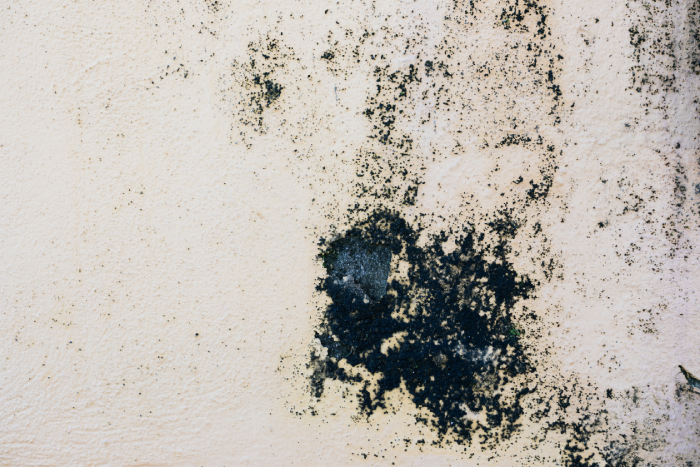
Black Mold Remediation
Black mold gets handled differently than everyday mildew. We identify the strain, contain the space properly, and remove contaminated material safely, so nobody in the building is breathing in spores while we work.
.png)
Attic Mold Removal
A roof leak or a bathroom fan venting straight into the attic instead of outside is usually all it takes. We remove what's contaminated, treat the wood, and correct the ventilation issue so it's not just a matter of time before it's back.
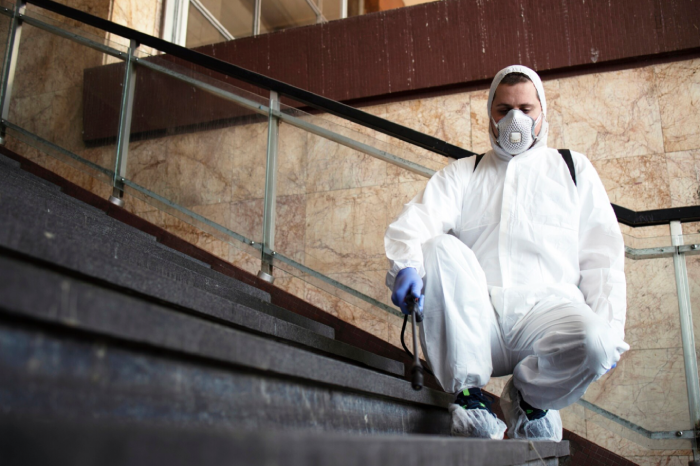
Crawl Space Mold Removal
Crawl spaces are the single most common call we get in Chapel Hill. Homes built before the 1980s often have bare dirt underneath with no vapor barrier, so ground moisture evaporates straight up into the joists and insulation and stays there all summer. We remove the affected insulation, treat the wood, and install a vapor barrier so the space stays dry.
Preventing Mold From Returning
Removing what's visible is half the job. The other half is figuring out what's feeding it: a slow plumbing leak, grading that pushes water toward the foundation instead of away from it, or ventilation that can't keep up with the humidity. We fix that part too.
Basement Mold Removal
Basements aren't as common here as crawl spaces, but in neighborhoods like Croasdaile with sloped, clay-heavy lots, they take on water fast after a hard rain. We trace it back to the source, remove mold from the walls and flooring, and treat the space so it stays dry.
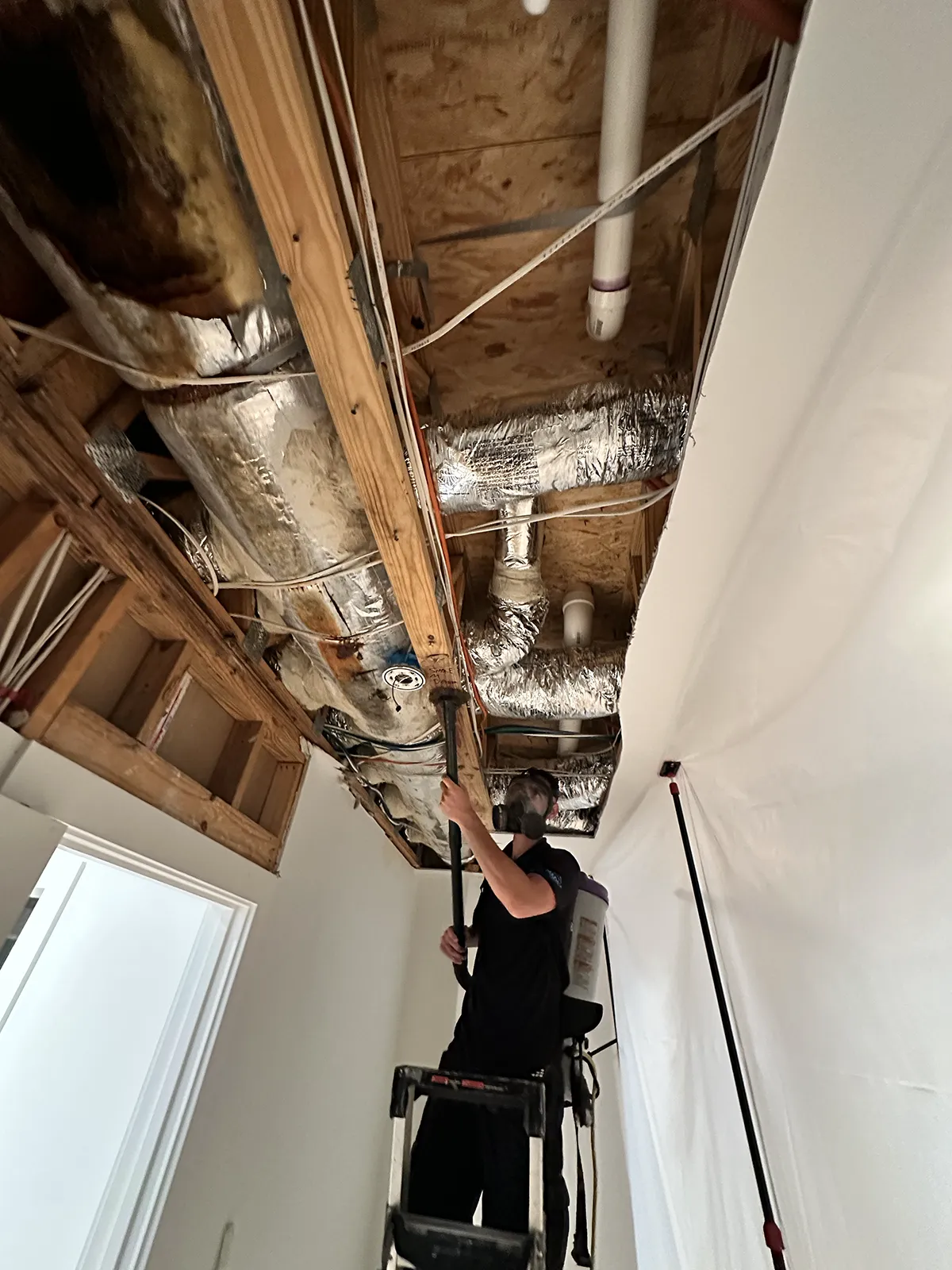
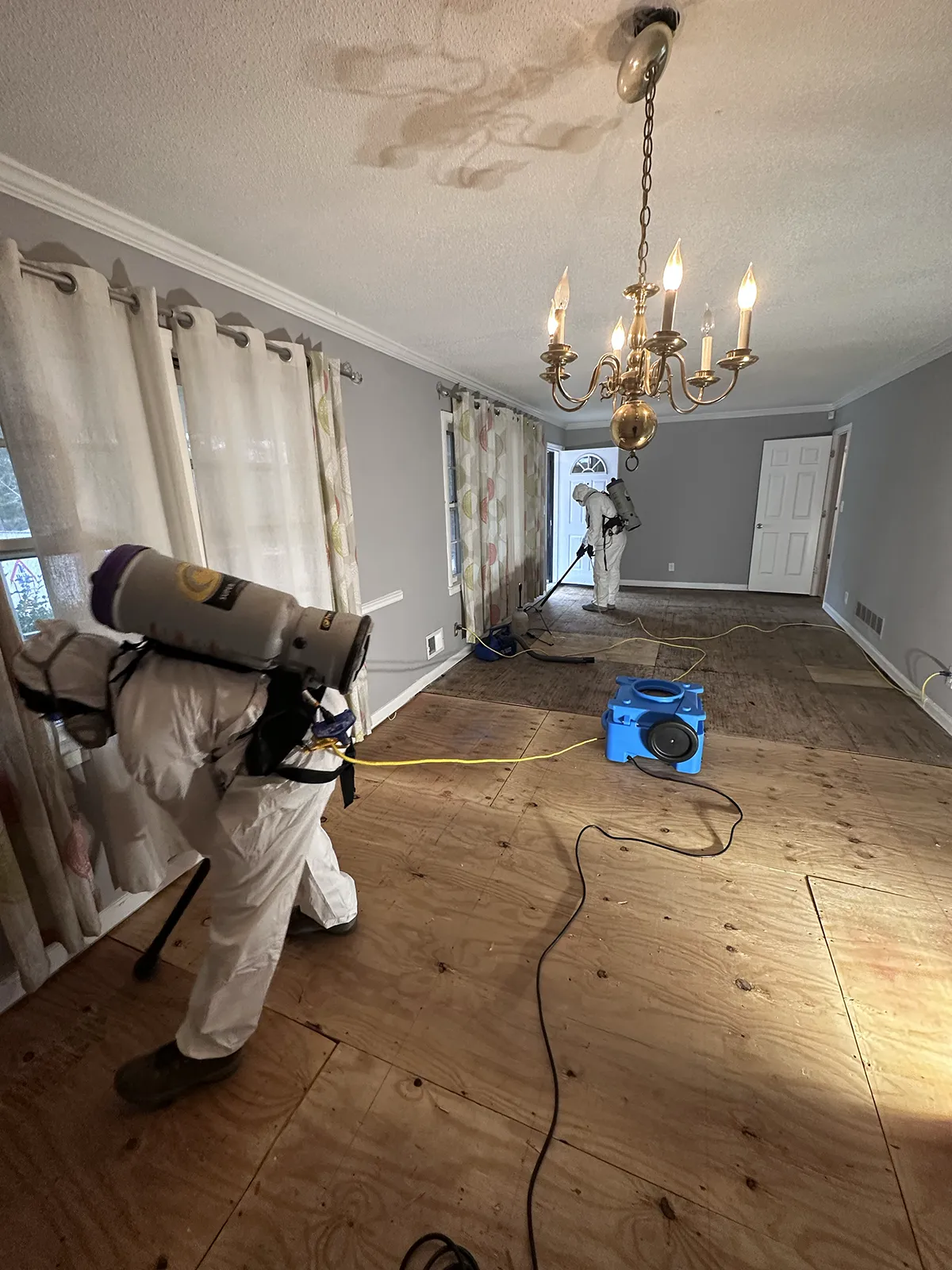
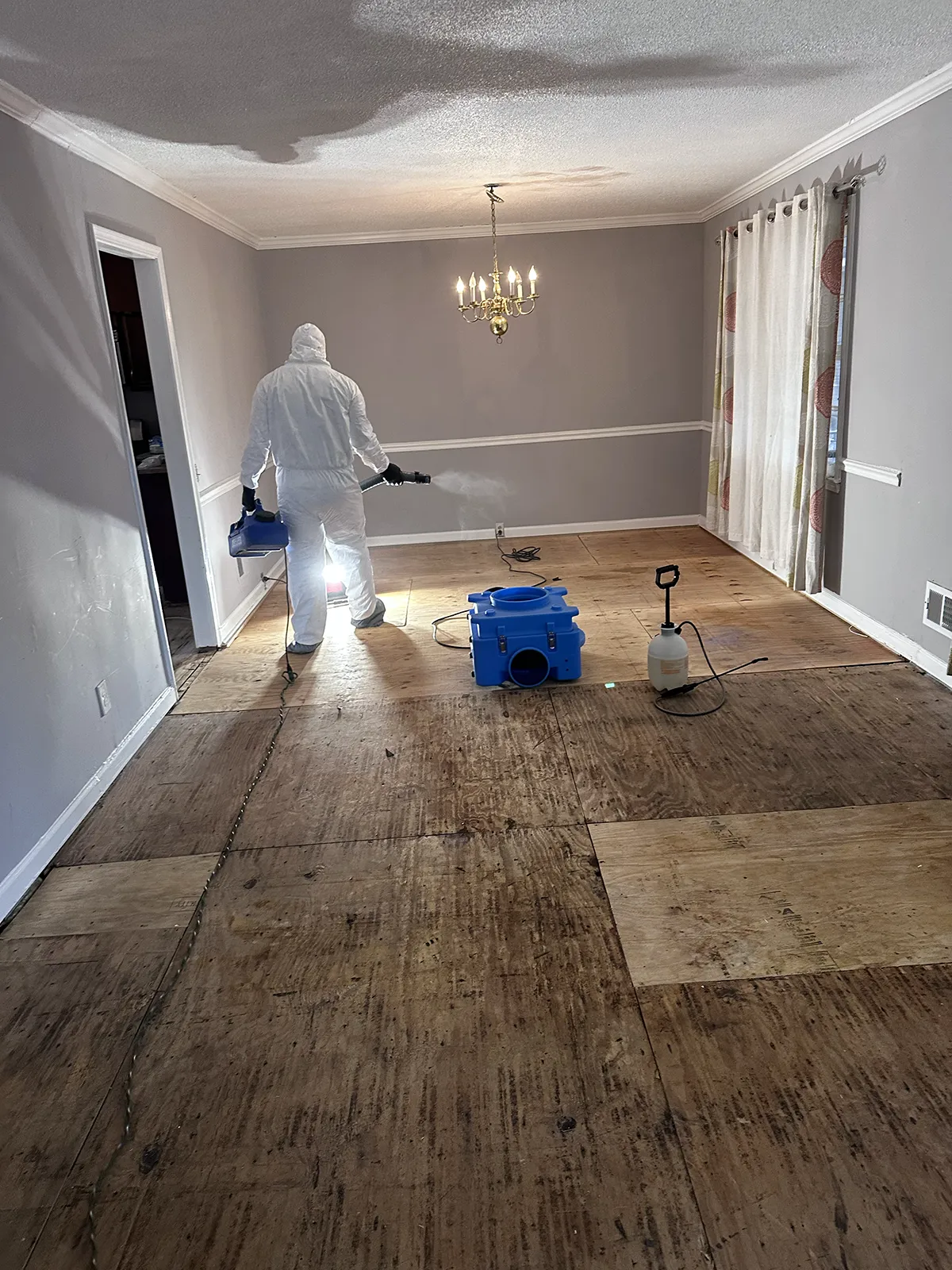
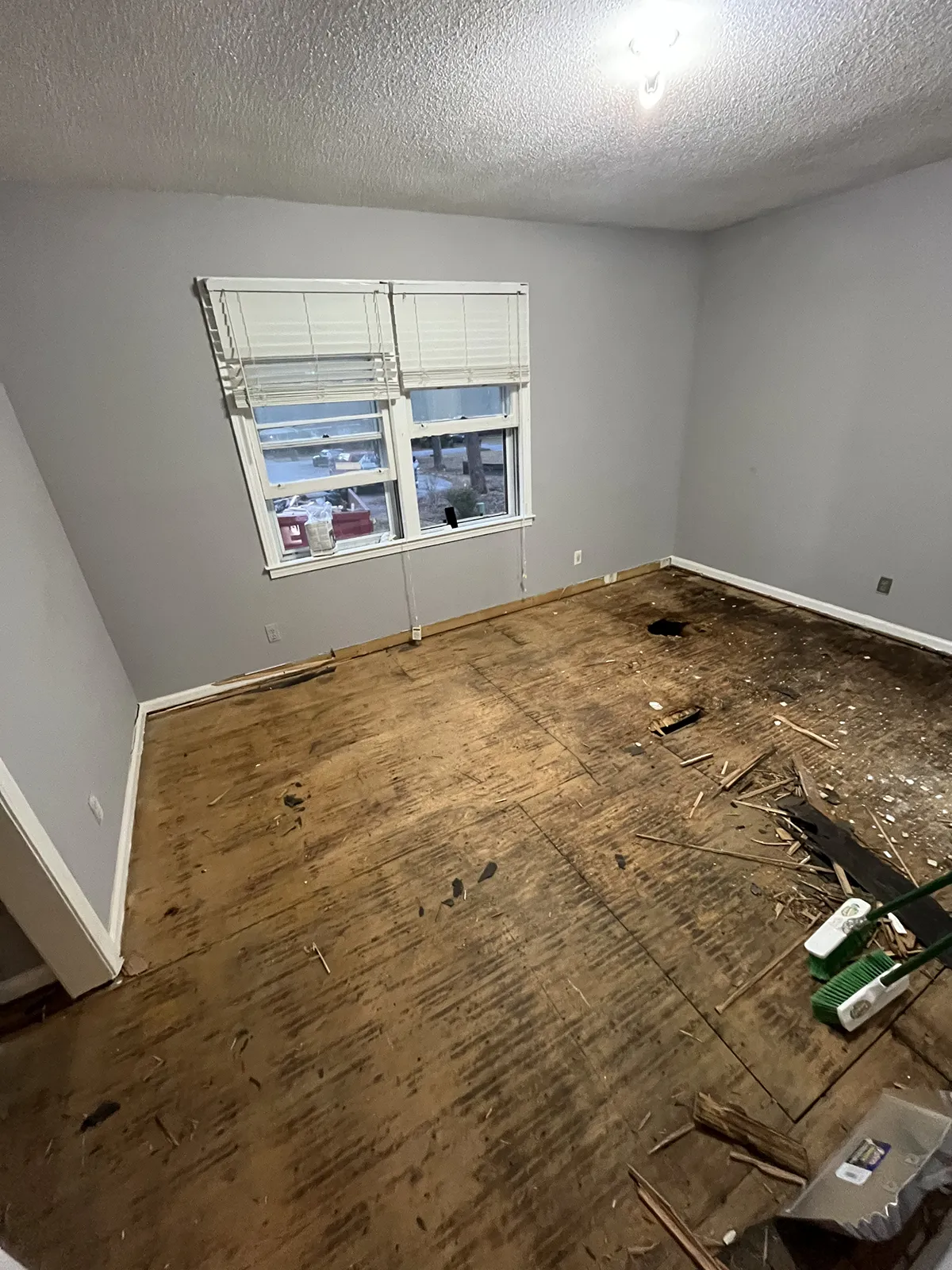
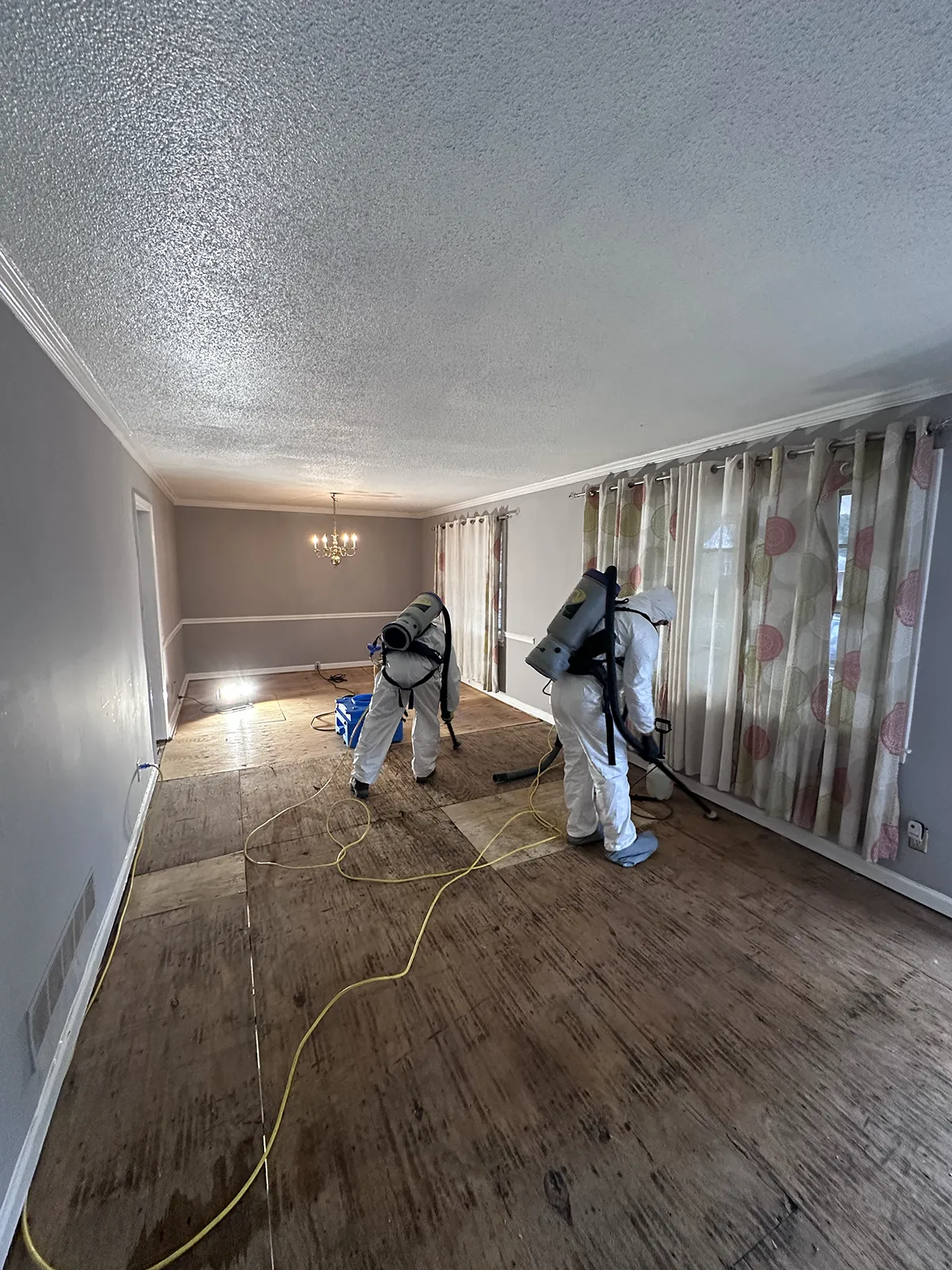
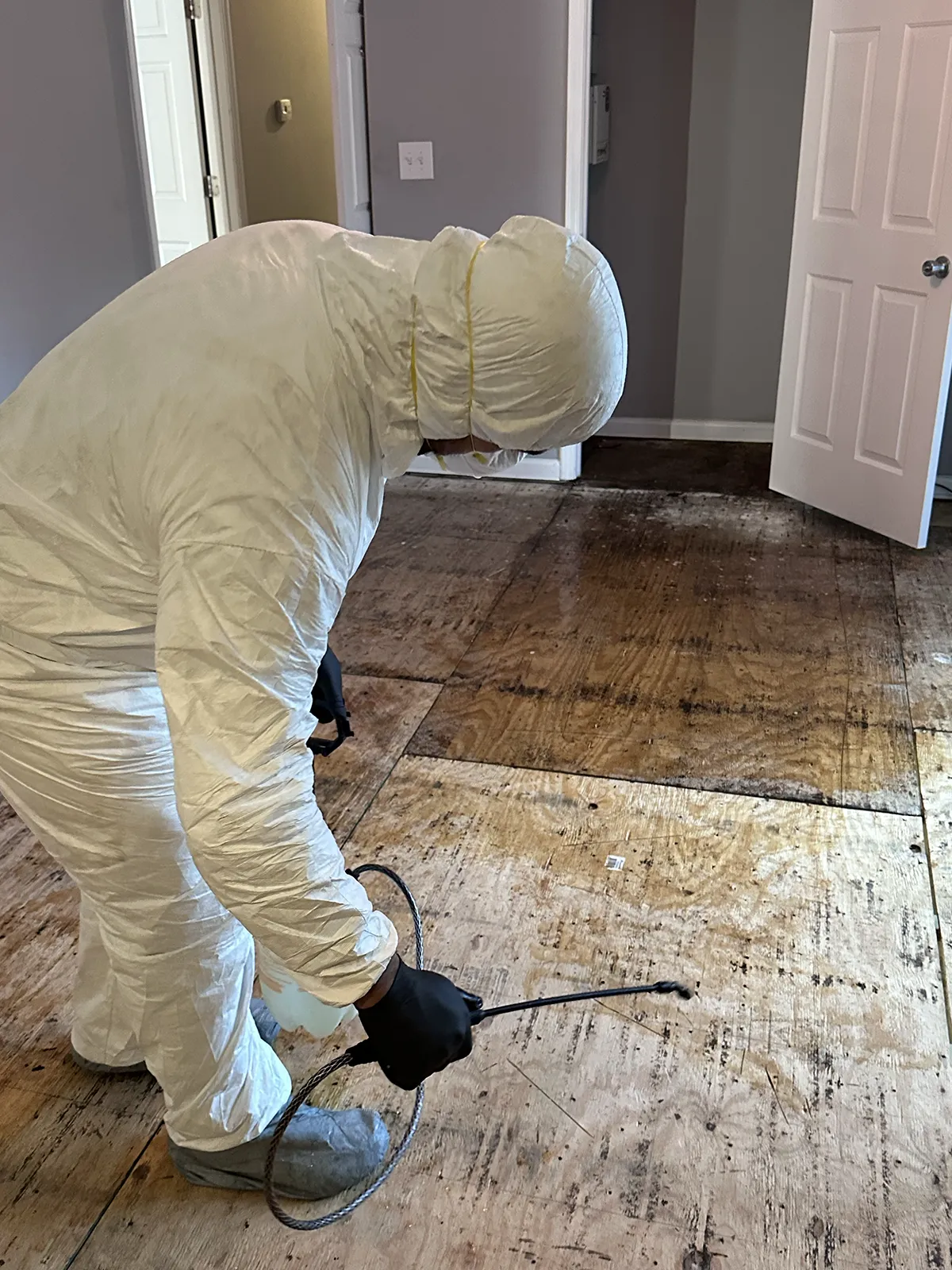
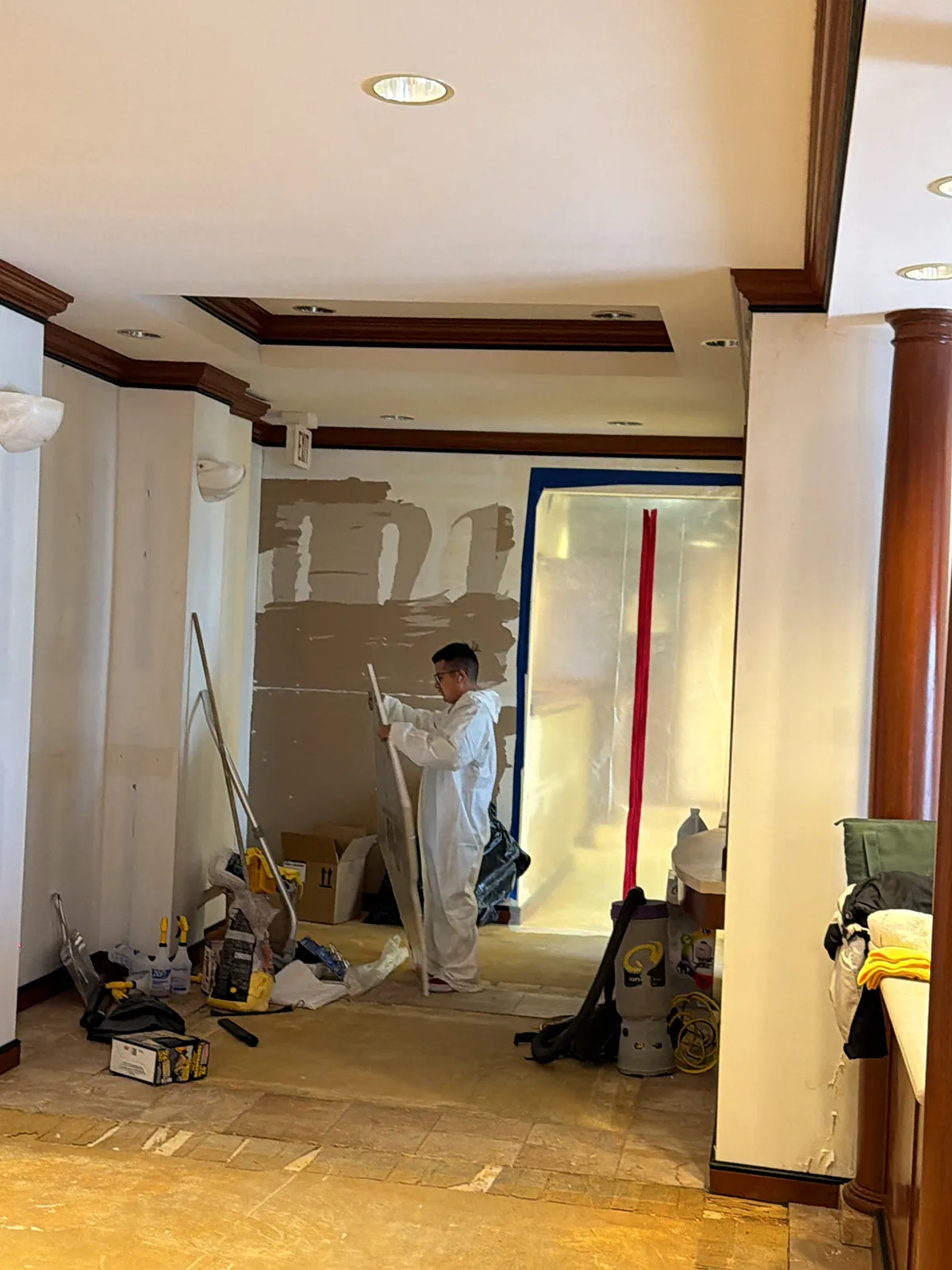
Mold Remediation in Action
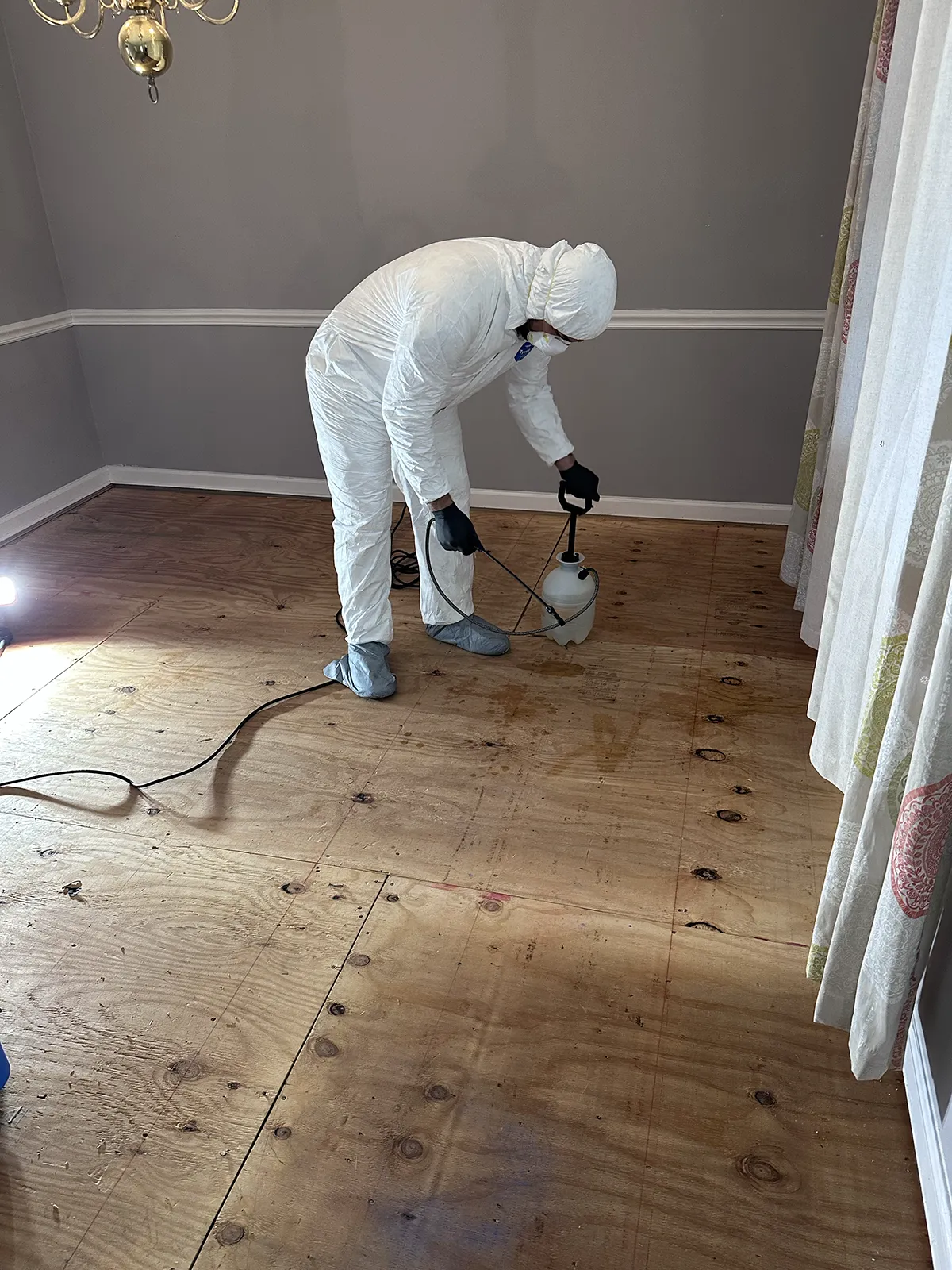
See how our team carefully treats, and removes mold using professional equipment and proven remediation methods.
See Other Services

Indoor Air Quality Testing
Find out what is affecting the air inside your home. Our indoor air quality testing helps detect mold, allergens, moisture issues, and other hidden contaminants.

Mold Inspection
Not sure if you have mold? Our mold inspection service checks your property for visible and hidden mold, moisture sources, and areas at risk for future growth.

Leak Detection
Small leaks can cause major damage over time. Our leak detection service helps locate hidden water issues before they lead to mold, stains, or structural problems.

Asbestos Testing
Older homes may contain asbestos in insulation, flooring, ceilings, or other materials. Our asbestos testing helps identify risks before renovation or removal work begins.

Water Damage Restoration
Water damage needs fast action. Our team removes water, dries affected areas, and helps restore your property after leaks, floods, or moisture problems.
Frequently Asked Questions
How long does a mold remediation job take?
Most residential jobs run one to three days. Larger crawl spaces, HVAC work, or jobs that need drying time before treatment can run longer. We give you a timeline in the written scope.
Does Chapel Hill's terrain make mold worse?
It contributes. Chapel Hill sits on the Carolina Slate Belt with shallow soil over rock, so rainwater moves sideways rather than draining down. On sloped lots that water collects against the uphill side of foundations and crawl spaces. The town's tree canopy adds to it by keeping roofs and walls shaded and slow to dry.
Do I need a mold test before remediation?
Not always. If growth is visible and the source is clear, testing does not change what needs to be done. Testing is worth it when mold is suspected but not visible, when several people report symptoms, when a real estate transaction requires documentation, or as clearance testing after the work.
Can I just use bleach on it?
Bleach is water-based and does not penetrate porous material like drywall, insulation, or framing. It can lighten the surface while leaving the growth in the material underneath, and the water it adds can make the problem worse. Surface mildew on tile or glass is different, and that you can clean yourself.
Do you work on rental properties and student housing?
Yes. We work with Chapel Hill landlords and property managers on turnover timelines, and we provide written scopes and before-and-after documentation for owner and tenant files.
Can we stay in the house during the work?
Usually. Containment and negative air pressure keep the work zone separate from the rest of the building. We will tell you upfront if the scope means you should be out for part of it.