

.png)

15+
30 Minutes
IICRC, NADCA and NORMI
What Is Mold Testing and How Does It Work?
Mold testing is the process of collecting samples from your home and analyzing them to confirm what type of mold is present and how much. An inspection tells you where moisture and growth are; testing puts species names and spore counts to it. Because some mold exists in every home, samples are compared against a control sample of the outdoor air, and the results come back in a written report. Here are the main types of testing we use.

Air Sampling
Air sampling measures the mold spores floating in your indoor air, which helps when there's a musty smell or symptoms but nothing visible. We collect samples from the affected rooms and from outside, then compare the two. Indoor levels that run well above the outdoor baseline point to a hidden mold source.
Surface Sampling
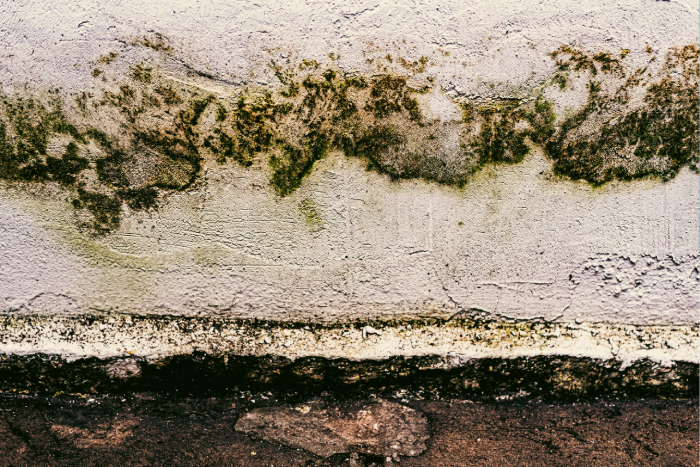
Surface sampling confirms mold you can already see. Using a swab or tape lift, we take a sample directly from a wall, floor, or other surface so the lab can identify the exact species. This matters most when planning a cleanup, since the type of mold affects how it has to be handled.

Lab Analysis and Identification
Samples go to a lab, where they're examined to identify the species and count the spores. This is what separates harmless background mold from a real problem, and it's how toxic strains like Stachybotrys get confirmed. You get the results in plain language, usually within 24 to 72 hours, along with our recommendations for what to do next.
What People Say
Raleigh Mold Inspection Services
Business Details
- Phone: +1 (919) 637-7839
- Address: 4008 Barrett Drive, Suite 106, Raleigh NC, 27609
- Working Hours: Weekdays: 7AM - 7:30PM, Saturday: 9AM - 5PM, Sunday: 7AM - 7:30PM
- Mold Inspection & Testing Services: Mold inspection, indoor air quality testing, air and surface sampling, black mold testing, crawl space mold inspection, attic mold inspection, real estate mold inspection, post-remediation clearance testing
Raleigh Service Area
- City Served: Raleigh, NC
- Areas We Serve in Raleigh: Downtown Raleigh and the Capitol area, South and Southwest Raleigh, Northeast Raleigh and the Capital Boulevard corridor, Five Points and Hayes Barton, Midtown and North Hills, East and Southeast Raleigh, Crabtree Valley and West Raleigh and others
- Zip Codes Covered: 27601, 27603, 27604, 27605, 27606, 27607, 27608, 27609, 27610, 27612, 27613, 27614, 27615, 27616, 27617
- Also Serving: Cary, Apex, Durham, Chapel Hill, Wake Forest, Garner, Morrisville, Knightdale, Holly Springs, Fuquay-Varina
Signs You Might Need a Mold Inspection
A musty, mildew smell near vents, closets, or the crawl space door, even when things look dry.
Black, white, or pink fuzzy patches in corners, around windows, or on bathroom ceilings.
Sneezing, coughing, headaches, or itchy eyes that ease up when you leave the house.
Peeling paint or soft, warped drywall, a sign moisture is sitting behind the surface.
Past water damage from a leak, burst pipe, or flooding, even if it looks dry now.
Condensation on windows, ductwork, or near air vents, which means indoor humidity is high.
Real Estate Mold Inspections in Raleigh, NC
Buying or selling a home does not need to come with mold surprises at closing. Summit gives buyers and sellers in the Triangle a fast, honest look at what is really going on before the deal is done.
We check the property from top to bottom and hand over a clear report on anything we find. Buyers get peace of mind, sellers get a chance to fix problems early, and everyone avoids surprises at closing.
Closings do not wait, so neither do we. Our inspection and reporting process is built for speed, giving you results fast enough to keep your timeline on track.
How Our Raleigh Mold Testing Process Works
A mold inspection shouldn't add to your stress. We keep the whole process simple and clear.
On-Site Inspection
We arrive on time and go through your home from the outside in, looking for moisture, past or current water damage, and any visible mold. We check the spots that tend to hide problems, including crawl spaces, attics, bathrooms, ductwork and HVAC units, under sinks, around windows, and near pipes and appliances. Moisture meters and infrared cameras help us find dampness behind walls and under floors that you can't see.
Targeted Sampling
Once we know what we're dealing with, we build a sampling plan around your specific home instead of a one-size-fits-all package. Depending on the situation, that can include air samples, surface swabs or tape lifts, and dust sampling. We also take a control sample of the outdoor air, since comparing indoor and outdoor levels is how we tell a real problem from the normal background spores every home has.
Lab Analysis
Your samples go to an accredited laboratory, where they're analyzed to confirm the exact species and measure the spore counts, including toxic strains like Stachybotrys. Testing against the outdoor control keeps the results objective, so you get accurate data rather than a guess. Results usually come back within a few days.
Your Report
We walk you through the findings over the phone so the results actually make sense, then follow up with a clear written report. It covers what we found, photos, the lab results, and honest next steps, including whether any mold remediation is needed and how to fix the moisture source behind the problem.
See Other Services
Professional cleaning services designed to improve indoor air quality, safety, and comfort.

Indoor Air Quality Testing
Find out what is affecting the air inside your home. Our indoor air quality testing helps detect mold, allergens, moisture issues, and other hidden contaminants.

Mold Remediation
Already dealing with mold? We seal off the area, safely remove the affected materials, and treat the surfaces left behind, all while keeping the rest of your home protected. Then we fix the moisture source that caused it, so the problem doesn't grow back after we leave.

Leak Detection
Small leaks can cause major damage over time. Our leak detection service helps locate hidden water issues before they lead to mold, stains, or structural problems.

Asbestos Testing
Older homes may contain asbestos in insulation, flooring, ceilings, or other materials. Our asbestos testing helps identify risks before renovation or removal work begins.

Water Damage Restoration
Water damage needs fast action. Our team removes water, dries affected areas, and helps restore your property after leaks, floods, or moisture problems.
Frequently Asked Questions
What affects the cost of a mold inspection?
Cost depends on the size of the home, how accessible the areas of concern are, and how many lab samples we need to collect. A small, single-room concern is very different from a full-home inspection with multiple crawl space and attic samples. Rather than quote a generic range that might not fit your situation, we give you a clear, itemized quote after a quick conversation about what you're dealing with, so you know the price up front before any work starts.
Should I just buy a DIY mold test kit?
A kit will usually tell you mold is present, but that finding means almost nothing on its own, since spores are floating around every home in Raleigh. What you actually need to know is whether your levels are higher than normal, and a kit can't answer that. It also won't show you where moisture is getting in or how big the problem really is.Professional testing works differently. Indoor samples are measured against an outdoor control taken the same day, and an accredited lab identifies the species and counts the spores. That comparison is what turns a result into an answer, and it's the documentation a buyer, landlord, insurer or remediation contractor will actually accept.
How long does it take to get mold test results back?
Lab results for air and surface samples typically come back within 24 to 72 hours after collection. We then call you to review the report, explain the spore counts in plain language, and tell you whether anything needs attention.
Do I need a mold inspection?
Get a mold inspection if you notice a musty smell, see discoloration, have had a leak or water damage, or feel allergy symptoms that ease when you leave home. Buyers and sellers should also inspect before closing. Testing removes the guesswork when mold isn't visible.
What does a mold inspector check for?
A mold inspector reviews your home's water-damage history, then checks moisture-prone areas like crawl spaces, attics, bathrooms, and under sinks. We use moisture meters and infrared cameras to find hidden dampness, and collect air or surface samples to confirm the type and amount of mold.
What is the difference between a mold inspection and mold testing?
A mold inspection is the visual and moisture survey that looks for growth and the conditions causing it. Mold testing is the lab analysis of air or surface samples that confirms the species and spore levels. Most Raleigh homes benefit from doing both together.
Do you test for black mold (Stachybotrys)?
Yes. Lab analysis identifies the exact species present, including Stachybotrys, known as black mold, and other toxic strains. Black mold needs constant moisture to grow, so we also trace the water source, since removing mold without fixing the moisture invites it back.
Can mold grow hidden inside walls?
Yes. Mold often grows behind drywall, under flooring, and inside crawl spaces long before any spots or smell appear. Infrared cameras and moisture meters let us find damp areas behind surfaces without cutting into your walls.
Does homeowners insurance cover mold inspection in North Carolina and Raleigh?
It depends on the cause. Insurance is more likely to help when mold results from a sudden, covered event like a burst pipe, and less likely for long-term humidity or deferred maintenance. We document our findings to support a claim, but confirm coverage with your insurer.