

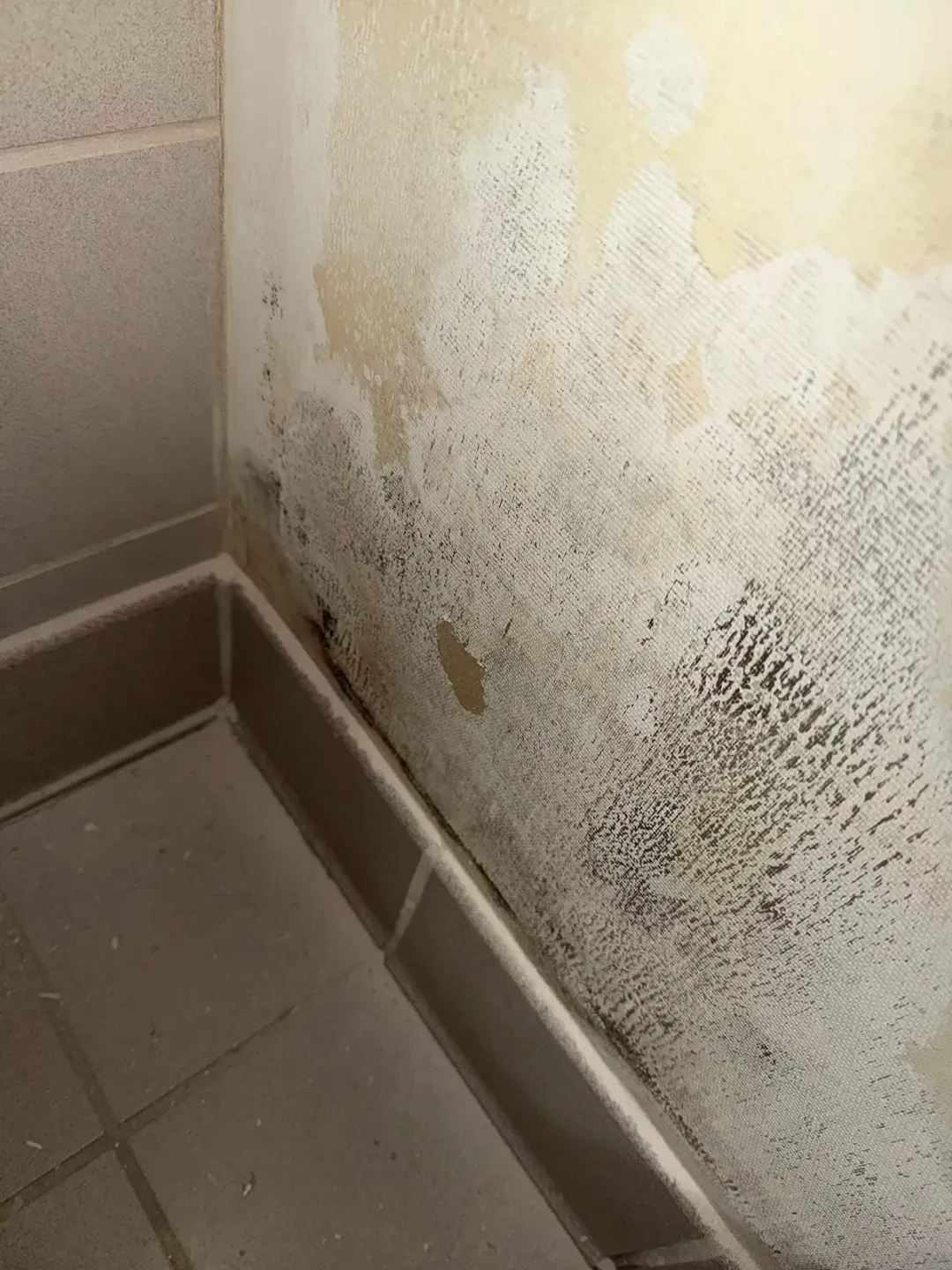
Why does my bathroom smell musty? In most cases, a musty bathroom smell means moisture or mold somewhere you can't see, behind a wall, under the vanity, or inside a drain, even when every visible surface looks spotless. The smell almost always shows up before the mold does, which makes it one of the more useful early warning signs a home gives you.
Our IICRC-certified team has traced this exact smell back to its source in thousands of mold remediation in Raleigh bathrooms over 15 years. Here's what typically causes it, how to fix the easy stuff yourself, and when it's worth having a professional find what's hidden.
What Causes a Musty Bathroom Smell
Most musty bathroom smells trace back to one of five sources.
Three of these are worth a closer look, since they're the ones a normal cleaning routine won't catch.
A hidden plumbing leak can run for months before you ever see a stain. The water keeps drywall, subfloor, or cabinet backing damp enough for mold to take hold, and the smell usually shows up long before any visible damage does. Once a leak like this gets fixed, drying out the area properly matters as much as the repair itself. Our water damage restoration in Raleigh team handles that drying process so the moisture doesn't just restart the same problem.
A dry drain trap is an easy one to overlook. Every drain has a trap, the curved section of pipe that holds a small amount of water to block sewer gas from rising back into the room. In a bathroom that doesn't get used often, that water can evaporate, and what you're smelling might be the plumbing system itself rather than mold. Running the tap for a minute every week or two keeps the trap full and the smell away.
Mold behind walls or under flooring is the cause a deep clean can't fix, since there's nothing on the surface to clean. It releases the same musty smell as visible mold, but you won't see it until the drywall or subfloor gets opened up. If ventilation, a plumbing check, and normal cleaning haven't solved the smell, this is usually what's left.
Why Bleach Isn't the Fix for a Musty Smell
Bleach is most homeowners' first move against a musty smell, and it's often the wrong one. The EPA has moved away from recommending bleach for mold cleanup, mainly because bleach kills mold on the surface without reaching the roots inside porous material like grout, caulk, or drywall. The mold underneath survives, and bleach adds more moisture to the area in the process, which can make the underlying problem worse instead of better.
For surface mold on tile or a shower curtain, a solution of soap and water, or diluted hydrogen peroxide, works about as well without the fumes or the added moisture. Either way, cleaning the surface only solves the smell if the surface is actually where the problem lives.
When a Musty Smell Means You Need a Professional Mold Inspection
A day or two of running the fan and drying out towels usually tells you whether the smell was just humidity. If it's still there after a week or two of consistent ventilation and cleaning, moisture is coming from somewhere the fan can't reach.
A few other signs point toward calling a professional sooner rather than later:
- The smell gets stronger in one specific spot, like near a baseboard or behind the toilet
- Paint or wallpaper is bubbling, peeling, or discolored
- Drywall or wood trim feels soft or warped when you press on it
- Someone in the house has new or worsening allergy symptoms at home
- The bathroom had a leak or water damage in the past that wasn't professionally dried out
A mold inspection in Raleigh uses moisture meters and infrared cameras to find dampness behind walls and under flooring without any demolition, so you know what you're dealing with before committing to a repair.
How to Prevent Mold and Musty Smells From Coming Back
Keeping a bathroom dry is the whole game, since mold and the smell it produces both need moisture to survive.
Run the exhaust fan for at least 20 minutes after every shower, and leave the door open when you can so the room dries out faster. Keep indoor humidity below 50 percent, which usually means running a dehumidifier during Raleigh's most humid months. Reseal grout and caulk once a year, since cracked sealant is one of the easiest ways for water to get behind tile in the first place.
If you want to know whether your bathroom's humidity is already a problem before it turns into a smell, indoor air quality testing can measure it directly instead of leaving you to guess.
Frequently Asked Questions
Why does my bathroom smell musty even though it looks clean?
A musty smell almost always means moisture somewhere you can't see, behind a wall, under a vanity, or inside a drain, rather than dirt on a visible surface. Cleaning what you can see won't fix a smell coming from what you can't.
What does mold smell like in a bathroom?
Mold typically smells musty, earthy, or damp, similar to wet soil or an old basement. Some mold produces very little smell at all, so a visible spot and a lingering odor both deserve attention even without the other.
Is a musty bathroom smell dangerous?
The smell itself isn't harmful, but it usually signals mold or excess moisture, which can affect indoor air quality and trigger allergy symptoms in some people. It's worth tracking down the source rather than just masking it.
How long does it take for a leak to start smelling musty?
Mold can begin growing within 24 to 72 hours once a surface stays wet, so a leak can produce a noticeable smell within a few days to a couple of weeks depending on how much moisture is involved.
Can I get rid of a musty smell without professional help?
Often, yes, if the cause is ventilation, a dry drain trap, or damp textiles. If the smell persists after a couple of weeks of consistent cleaning and airflow, the source is likely hidden and worth having inspected.
Does an exhaust fan really stop mold smells?
Yes, in a lot of cases. Consistent ventilation keeps humidity from settling into grout, drywall, and trim, which removes one of the two things mold needs to grow. It won't fix a hidden leak, but it solves a large share of routine bathroom mustiness.
Schedule a Mold Inspection in Raleigh, NC
If you've run the fan, checked under the sink, and the smell still won't go away, it's worth finding out what's actually there instead of guessing. Our IICRC-certified team has completed more than 2,000 mold inspections and remediation projects across the Triangle over 15 years. Call (919) 637-7839 or contact us for a free consultation.